Chinese smartphones for Italian networks work best when the spec sheet covers the eight LTE bands Italian carriers use (B1, B3, B7, B8, B20, B28, B32, B38), starting with B20.
A buyer weighing listings from several Chinese brands often finds near-identical headline specs. The band list is where they separate. Simology describes Band 20 (800 MHz) as the most important rural LTE band in Europe, critical for countryside coverage. A phone that lacks it can look fine in a city and risk weak signal outside towns.
This guide is the starting point for the whole topic: network bands, brand families, software versions, SIM and storage choices, charging and accessories. For a step-by-step buying method, read how to choose a chinese smartphone. For a brand-by-brand view of what is on sale, see chinese smartphone brands in italy.
Reader routes through the topic
Different buyers arrive with different worries, so the guide is organised by goal. Pick the route that matches the question you are trying to settle, then follow the links into the detailed guides.
- “Will this phone work on an Italian network?” Read the LTE and 5G sections below, then compare the exact model’s band list against the table. This is the route that prevents the most expensive mistake, because no accessory or discount fixes a phone that lacks the right bands.
- “Which brand should I shortlist?” Go to the brand routes and the flagship and camera sections. They send you to the dedicated guides for Xiaomi, Huawei, Honor, OnePlus and Oppo, and explain how to use a band check as a filter on any shortlist.
- “How do I protect the purchase?” Follow the sections on software versions, SIM trays, charging, accessories and warranty paperwork. These cover what happens after the band check is passed: which version of the software you receive, whether the phone is genuine, and what to buy around it.
Most readers need the first route and at least one of the others. A phone that passes the band check but arrives with the wrong software, or is not genuine, is still a poor buy. A phone with perfect accessories but the wrong bands is worse.
LTE bands Italian operators use
Italian carriers use eight LTE bands in total, according to FrequencyCheck’s Italy listing: B1, B3, B7, B8, B20, B28, B32 and B38. The same listing counts two GSM bands, two UMTS bands and three 5G NR bands. LTE is the layer that carries everyday data and, on modern networks, most of the load, so it is the layer to check first.
The checklist for Italy
Treat the eight bands as a checklist rather than a pass mark of any one band. The more of them a model lists, the fewer places and operators where it will fall back to a weaker layer. Chinese brands publish band lists on their own spec pages for each model, and the list can differ between variants of the same phone name. Always compare the band list for the exact model number you are buying, not the marketing name.
Band 1 deserves a mention because it is the easiest to find. Simology calls Band 1 (2100 MHz) the primary 4G band across most of Europe, so nearly any phone sold for global use includes it. Its presence therefore proves little. The bands that separate a well-prepared phone from a marginal one are the lower-frequency ones.
Why Band 20 comes first
FrequencyCheck lists B20 (800 MHz DD) and B28 (700 MHz APT) among the Italian LTE bands. Both sit at low frequencies, and B20 is the one Simology singles out as critical for rural coverage. If you live in or travel through the countryside, B20 should be a firm requirement, not a nice extra. If you stay inside large towns, a phone missing B20 may still work, but it narrows where the phone behaves well, and it leaves you stuck if your plans change.
Ask the same of B28. It is a low band on the Italian list, and a phone that carries both B20 and B28 is the stronger choice for travel between regions. If a model forces a trade-off, prefer the one that keeps B20.
Bands that do not help in Italy
Some spec sheets lead with bands that matter elsewhere. Simology notes that Bands 4, 12, 17 and 66 are predominantly North American. Seeing them on a listing says nothing about Italian coverage. Do not let a long band list impress you; read it for the Italian bands specifically and ignore the rest.
Operators differ
The operator breakdown on FrequencyCheck covers Tre, Iliad, TIM, Vodafone and Wind, and the carriers do not use the same number of bands. That is the practical reason to buy a phone covering the full Italian list rather than the minimum for today’s SIM. A phone matched to one operator’s bands can become a weaker fit if you later change operator.
Context also helps. Simology, citing GSMA, reports that 4G LTE covered approximately 89% of the world’s population as of 2025. LTE is the mainstream layer, so a phone that handles it properly is not a niche requirement but the baseline.
Italian network layers at a glance
The table groups the listed Italian bands by network generation and turns each into a buying decision.
| Network layer | Bands listed for Italy | Planning use |
|---|---|---|
| 2G GSM | 900 MHz (E-GSM) and 1800 MHz (DCS) | Rarely decides a purchase; any phone with ordinary GSM support covers it. |
| 3G UMTS | B1 (2100 MHz) and B8 (900 MHz) | Do not build a purchase around it; many European operators had followed US networks in shutting 3G by 2025. |
| 4G LTE | B1, B3, B7, B8, B20, B28, B32, B38 | The main checklist; confirm B20 first, then B28 and as many of the others as the model lists. |
| 5G NR | n28 (700 MHz), n78 (3500 MHz), n258 (mmWave 26 GHz) | Look for n78 first, as the primary European 5G mid-band; treat n258 as a bonus. |
Band figures come from FrequencyCheck’s Italy page, and the 3G shutdown and European mid-band context from Simology’s regional band guide.
Read the table from the bottom up when you shop. Start with 5G and LTE, which decide the experience, and treat the older layers as a safety net only.
5G and the n78 band
Italy’s listed 5G bands are n28 (700 MHz), n78 (3500 MHz) and n258 (mmWave 26 GHz). Of these, n78 is the one to look for. Simology describes n78 (3.5 GHz) as the primary European 5G mid-band, harmonized across EU member states. A Chinese phone sold with a 5G label but without n78 gives a weak reason to pay for 5G in Italy.
The sensible order is therefore: confirm LTE coverage with B20 first, confirm n78, and only then compare the 5G extras. If a model offers n28 as well, it adds low-frequency 5G on the Italian list. If it offers the mmWave band, treat that as a bonus rather than a reason to prefer it.
Flagship models usually carry the longest band lists, which is why the full comparison in best chinese flagship phones is a useful companion to this section. Budget and mid-range models need a closer read of the band list, because a shorter list is more likely to leave out one of the Italian bands.
Choosing a smartphone from a Chinese brand for use in Italy
Choose by the band list first, then by the version of the software, then by the brand. This order matters because the three filters differ in how recoverable a mistake is. A weak brand match can be fixed by returning a phone. A phone that lacks the right bands cannot be fixed with software.
Who each priority suits
- Frequent travellers inside Italy. Prioritise B20 and B28 above everything else, and accept a plainer camera or screen if that is what it takes to keep both bands.
- City-based buyers. The full band list still matters, but the decision can lean more on the screen, battery and software support.
- Buyers planning a long ownership. Weigh the update commitment and the availability of accessories as heavily as the camera, because the phone will outlast several app and security cycles.
- Buyers who use two SIMs. Check the SIM tray arrangement and that both lines are supported on Italian networks.
When to wait
Wait if the listing gives no clear model number, if the seller cannot state which software version ships, or if the band list is vague. A listing that hides the details usually costs more later than the saving it offers. When a specific model matters to you, look for the manufacturer’s own spec sheet for that exact model number and compare it with the table above.
Brand routes: Xiaomi, Huawei, Honor, OnePlus and Oppo
Each brand has its own range logic, and the dedicated guides go deeper than a hub can. Use the band check from above as a filter on any shortlist, and use the brand guides to narrow the models.
Xiaomi, Redmi and Poco
Xiaomi sells across several labels, and the names do not always make clear what separates one phone from another. Start with best xiaomi phones for shortlisted models, and read xiaomi vs redmi vs poco if the labels confuse you. Check the band list of the exact model, because two phones with similar names can differ.
Huawei
Huawei needs its own treatment because its software situation shapes what the phone can do day to day. The guide to the best huawei phones covers the models alongside the Google services limits, which should weigh on your decision before the camera or the price does.
Honor
Honor is worth comparing as a separate brand. The best honor phones list is the place to see its range, and the same band check applies to every model on it.
OnePlus
OnePlus tends to appeal to buyers who want a clean, fast phone and who read spec sheets closely. The best oneplus phones guide covers the current models; confirm bands for the specific variant before you buy.
Oppo and Realme
Oppo and Realme are grouped in one guide because buyers often compare them directly. Start with best oppo phones and apply the same rule: model number first, band list second, brand story last.
Flagships and cameras
Flagship phones are where Chinese brands compete hardest on cameras, and where spec sheets are longest and most promotional. Read them for the facts that carry across to Italian use: the bands, the software version and the update plan. Treat sensor names and marketing terms as starting points for a closer look rather than conclusions.

The practical way to judge a camera is to compare real photographs of similar scenes and to read independent lab and review benchmarks alongside the manufacturer’s claims. The best chinese camera phone guide does that comparison for the models worth considering. Keep one rule in mind: a camera lead is not worth a missing Italian band. If the two conflict, the network bands win.
Software version, updates and authenticity
Phones made for a different home market can ship with different software from the version sold in Europe. For a buyer in Italy this matters as much as the hardware. The guide on global rom vs china rom explains which version suits a buyer here and what to ask a seller before paying.
Updates come next. A phone that receives security fixes for longer stays safer and keeps its resale value. The guide on how long do xiaomi phones get updates sets out the support pattern for Xiaomi, and the same question should be asked of any other brand before you commit.
Finally, genuineness. Imported phones, and phones sold below the usual price, deserve a check before you rely on them. Follow the steps in how to check if xiaomi phone is original; the same approach applies to other brands. Do the check as soon as the phone arrives, while returning it is still straightforward.
SIM trays, storage and screen size
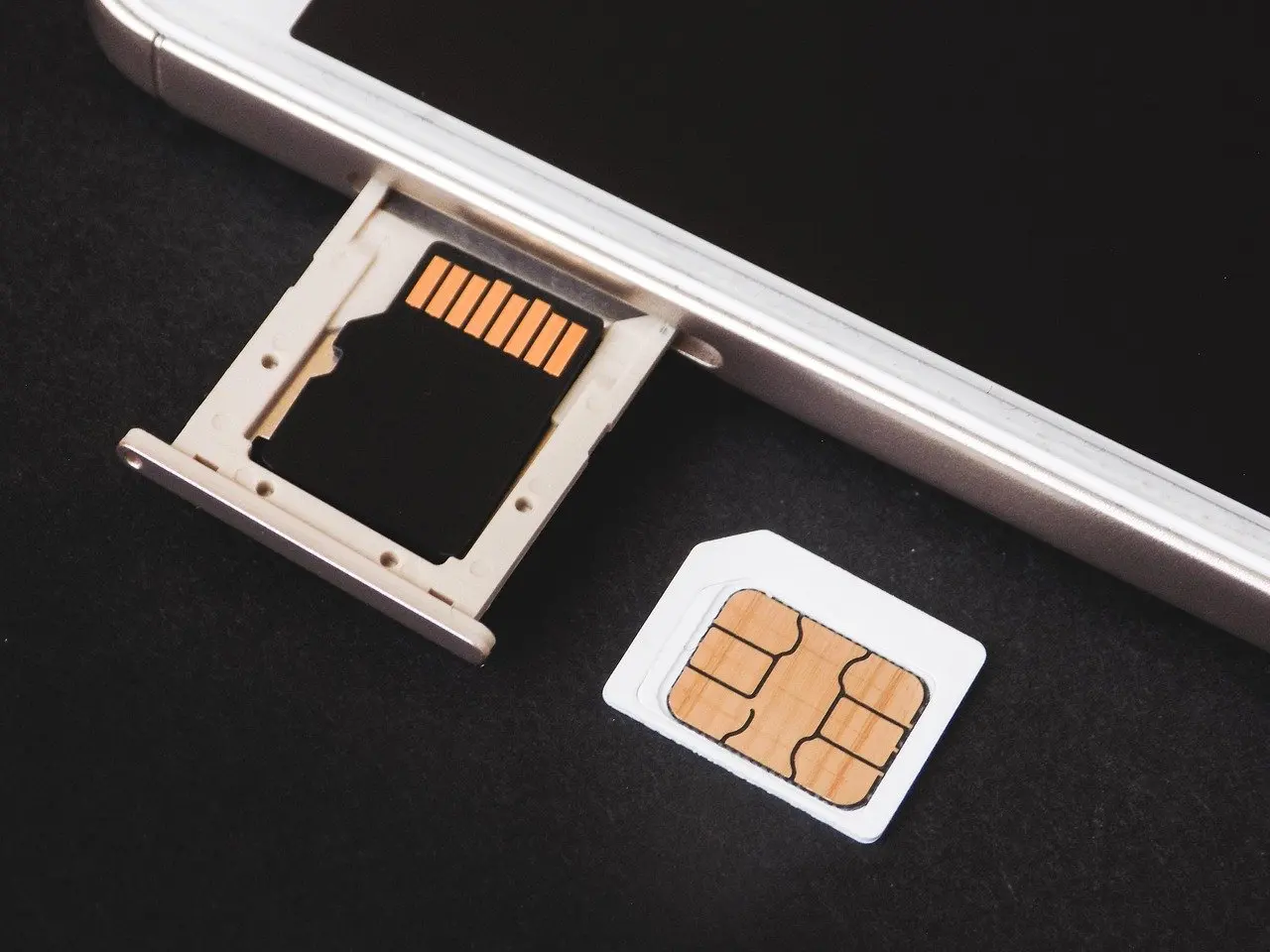
Network bands decide whether the phone connects. The SIM tray decides how you use it. Many buyers in Italy want two lines on one phone, for example a personal and a work number, or a home line and a travel line. Check what the tray holds and whether it is shared with expandable memory.
On storage, read the memory variants carefully. The same phone name can be sold with different RAM and storage combinations, and the cheapest listing is often the smallest. Open the settings screen when the phone arrives and confirm that it shows the amount you paid for. If you plan to keep many photos and apps, choose the larger variant at purchase, because storage is hard to add later.
Screen size affects daily comfort more than most spec lines. Large screens suit video and reading; smaller bodies suit one-handed use and pockets. If compact phones appeal, the guide to small chinese smartphones lists the options and points out where compact bodies force compromises. Apply the band check to those models too, because a smaller body does not guarantee a shorter or longer band list.
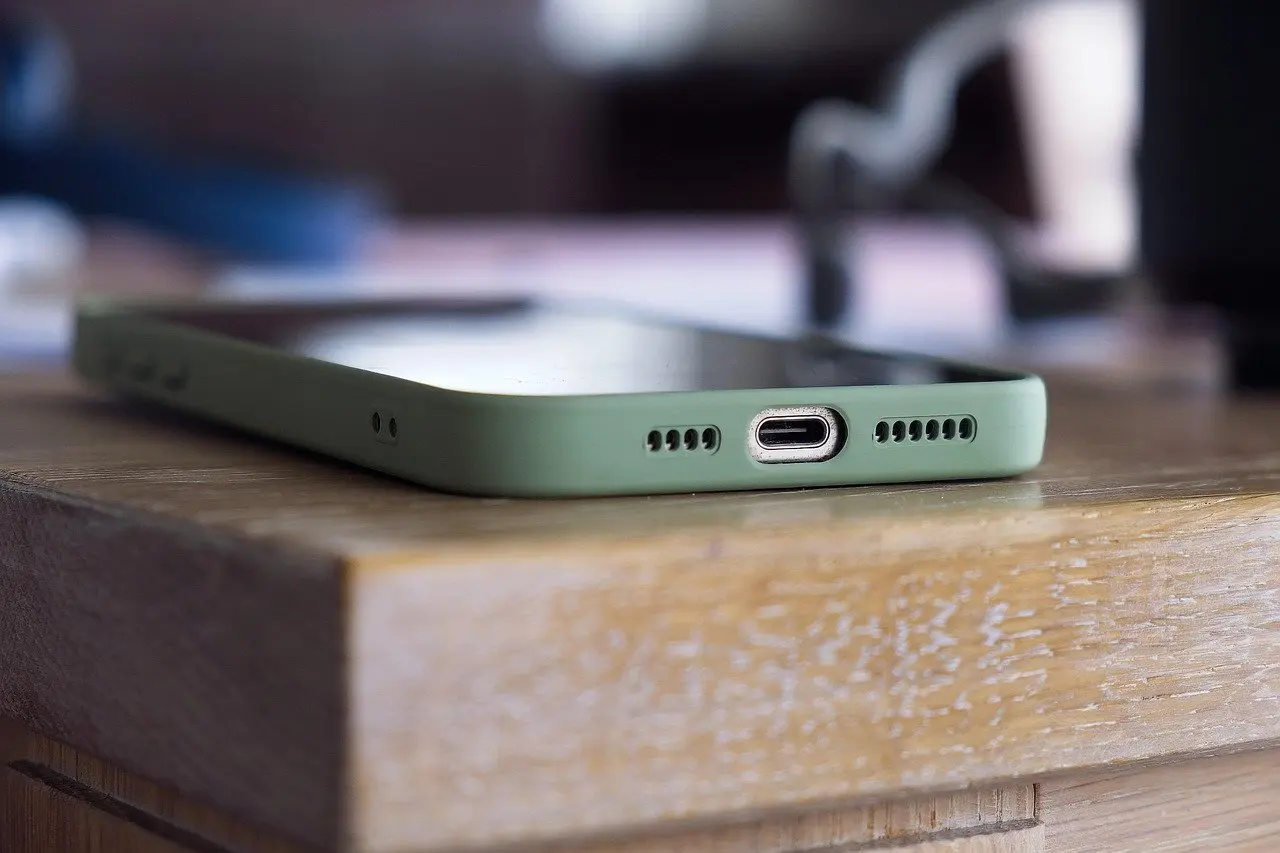
Charging, cables and the USB-C port
Modern Chinese phones charge through a USB-C port, which makes cable choice simpler than it once was. The more useful questions are what the box includes and how the phone suits the chargers you already own.
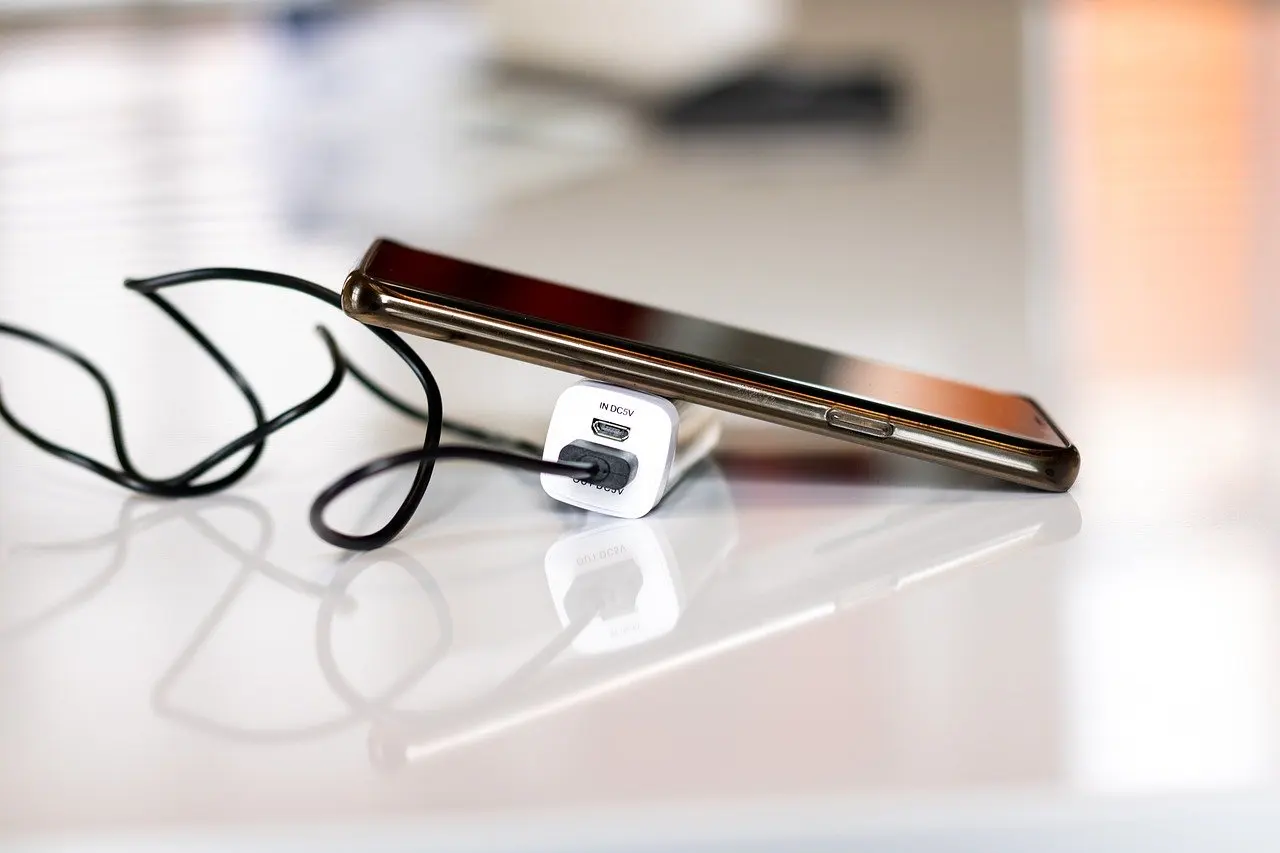
Confirm in the listing whether a charger is supplied and whether its plug suits Italian sockets. If it is not, plan for a separate charger and a quality cable from the start. A cheap, unbranded charger is a poor match for an expensive phone, so choose one from a reputable maker and keep a spare cable for travel.
Cases, protectors and chargers
Accessories are model-specific. A case or screen protector made for one phone rarely fits another, even within the same brand, because buttons, cameras and curves differ. Buy by the exact model name and check that the listing names it.
Wireless charging and power banks are a separate decision, because support depends on the phone. If you want either, read best wireless charger android before you buy, and check that your chosen phone supports the feature at all.
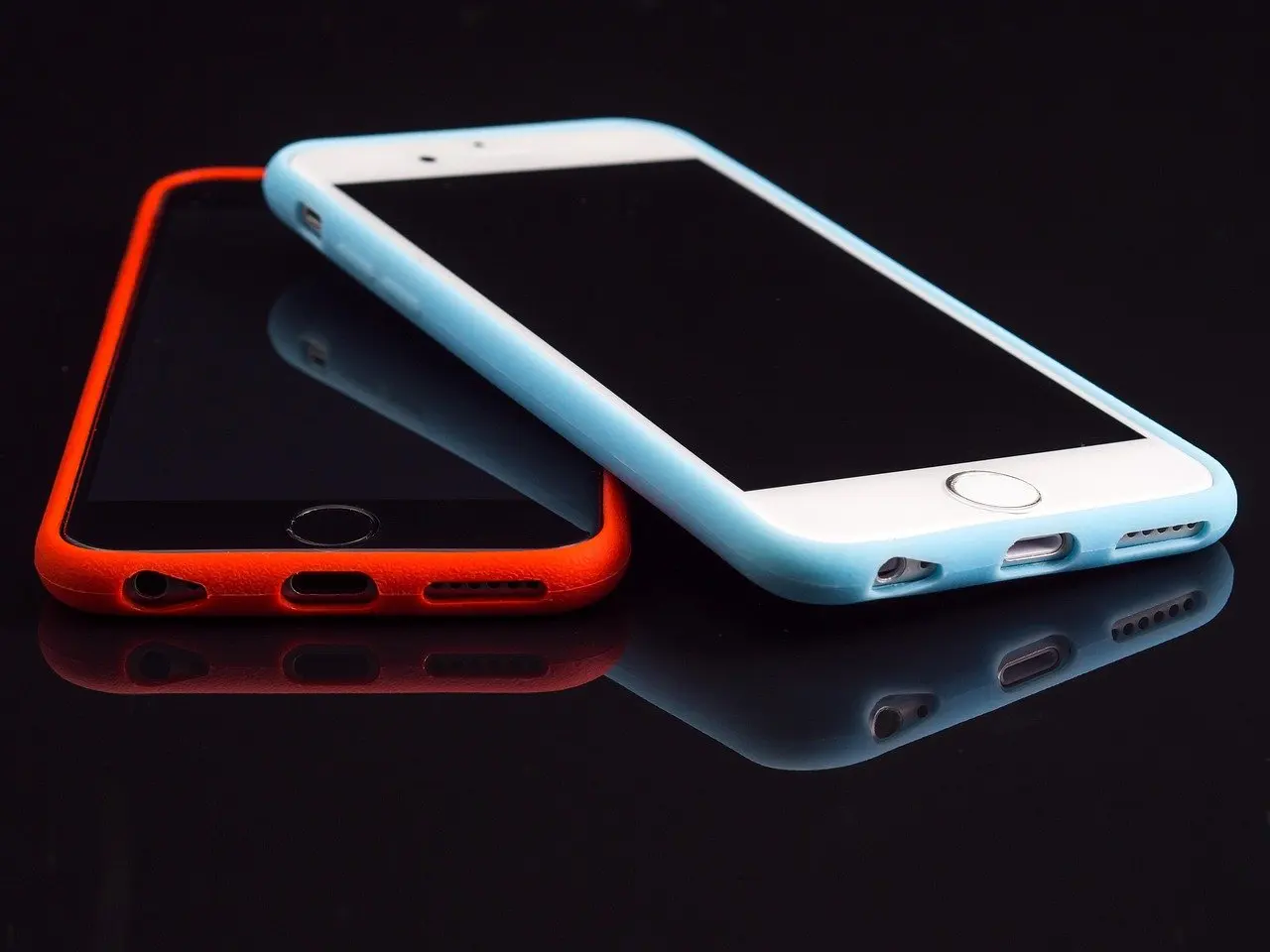
For protection, a case and a screen protector are the minimum most buyers want. Fit the protector before the phone goes into daily use, in a clean, dust-free place, and keep the original packaging for the first weeks in case you need to return the phone.
Warranty and purchase paperwork
A phone bought from a Chinese brand still has to be bought and supported in Italy. That makes the seller as important as the model. Choose a seller who states the warranty terms in writing, names the version of the phone being sold, and gives you an invoice or receipt you can keep.
Before paying, ask where warranty claims are handled and whether the manufacturer’s support covers phones bought from that seller. A phone sold through an import route may carry different support terms from one sold through an official channel, and the difference is easier to settle before the purchase than after a fault appears. Keep the invoice, the box and the serial number together until the warranty period has passed.
If the terms are unclear, treat that as a reason to look elsewhere. A clear listing with the exact model number, a stated software version and a documented warranty is worth a modest price premium over a vague one.
Frequently asked questions
| Question | Answer |
|---|---|
| Which LTE bands does a phone need to work on Italian networks? | Italian carriers use B1, B3, B7, B8, B20, B28, B32 and B38 according to FrequencyCheck. B20 is the priority for rural coverage, and more of the others make the phone a safer fit. |
| Is a phone with Bands 4 and 66 enough for Italy? | No. Simology describes Bands 4, 12, 17 and 66 as predominantly North American, so they do not replace the Italian bands. |
| Which 5G band should a Chinese phone have for Italy? | Look for n78. Simology calls n78 (3.5 GHz) the primary European 5G mid-band; FrequencyCheck also lists n28 and n258 for Italy. |
| Can I rely on 3G as a fallback? | Not safely. Simology reports that US networks shut 3G in 2022 and many European operators followed by 2025, so LTE support is the better test. |