In the xiaomi vs redmi vs poco decision, Xiaomi is the high-end line, Redmi covers starter and mid-range models, and Poco targets powerful mid-range speed. Choose Poco X for performance, Redmi Note for a balanced everyday phone.
All three lines sit in one company’s range, so the right pick depends on budget and priorities. For wider context on chinese smartphones for italian networks, the hub page covers the broader range of models and accessories.
Xiaomi, Redmi and Poco side by side
| Line | Positioning | Battery | Charging | Planning use |
|---|---|---|---|---|
| Xiaomi | High-end smartphones | Average size of 4500 to 5000mAh | Full charge within 40 minutes with the included charger | Choose it when build and premium features matter more than price. |
| Redmi | Starter and mid-range models | Often around 5000mAh, sometimes more | The most expensive model charges fully in 30 minutes; the cheapest takes over 1 hour | Check the charger and model before buying, because charging speed varies widely. |
| Poco | Powerful mid-range devices | Usually around 5000mAh | About 80% within 30 minutes | Suits buyers who want fast charging and strong speed at a mid-range tier. |
These figures come from a retailer comparison guide to Xiaomi, Poco and Redmi, which describes typical values for each line rather than guarantees for every model.
How the three lines relate
Xiaomi, Redmi and Poco are three series that a retailer comparison guide describes together: Xiaomi for high-end smartphones, Redmi for starter models and Poco for powerful mid-range devices. The practical meaning is a ladder. Redmi is the entry point, Poco gives more speed for the money, and the Xiaomi series sits at the top.
The ladder is not perfectly neat. The same guide calls the Pro and Pro+ versions the best phones in the Redmi series, so the top of Redmi overlaps with the mid-range territory that Poco targets. A Redmi Pro buyer and a Poco buyer may be shopping in the same price band and should compare model against model rather than brand against brand.
Poco has its own internal split. The line consists of the Poco X series and the F series, and the F series is often a bit faster. Buyers who want the most speed in the family at a mid-range level should look at the F models, while the X models are the closer rivals to Redmi Note. Anyone building a shortlist of the strongest Xiaomi-family options can continue with the best xiaomi phones guide.
Redmi Note vs Poco X
Redmi Note and Poco X are the closest competitors in the family, and the evidence favours Poco X on raw speed, video and charging. Redmi Note is the steadier everyday option within the Redmi range.
Performance
The retailer guide says Redmi Note devices are often a bit more powerful than other Redmi phones, so switching between apps feels smoother. Poco phones are described as having a speed close to high-end devices. That gap is the main reason to pick Poco X when the phone will run demanding apps or games. The Redmi Note is the better fit when the comparison is with a basic Redmi and the goal is simply a smoother daily experience.
Camera and video
Camera quality is where the Redmi line gives the clearest ground. The guide says the cameras of Redmi smartphones perform less well and that Redmi phones record in Full HD. Poco phones can record video in 4K resolution. For anyone who films often, that difference alone can settle the choice in favour of Poco X.

Battery and charging
On battery size the two are level, since both lines are reported at around 5000mAh. Charging is where they separate. A Poco phone charges about 80% within 30 minutes, while Redmi charging varies by model, from 30 minutes for a full charge on the most expensive phone to over 1 hour on the cheapest. Poco devices are not suitable for wireless charging, so anyone who relies on a wireless pad should rule Poco out. The charging details are taken from the same retailer guide.
Build and fingerprint sensor
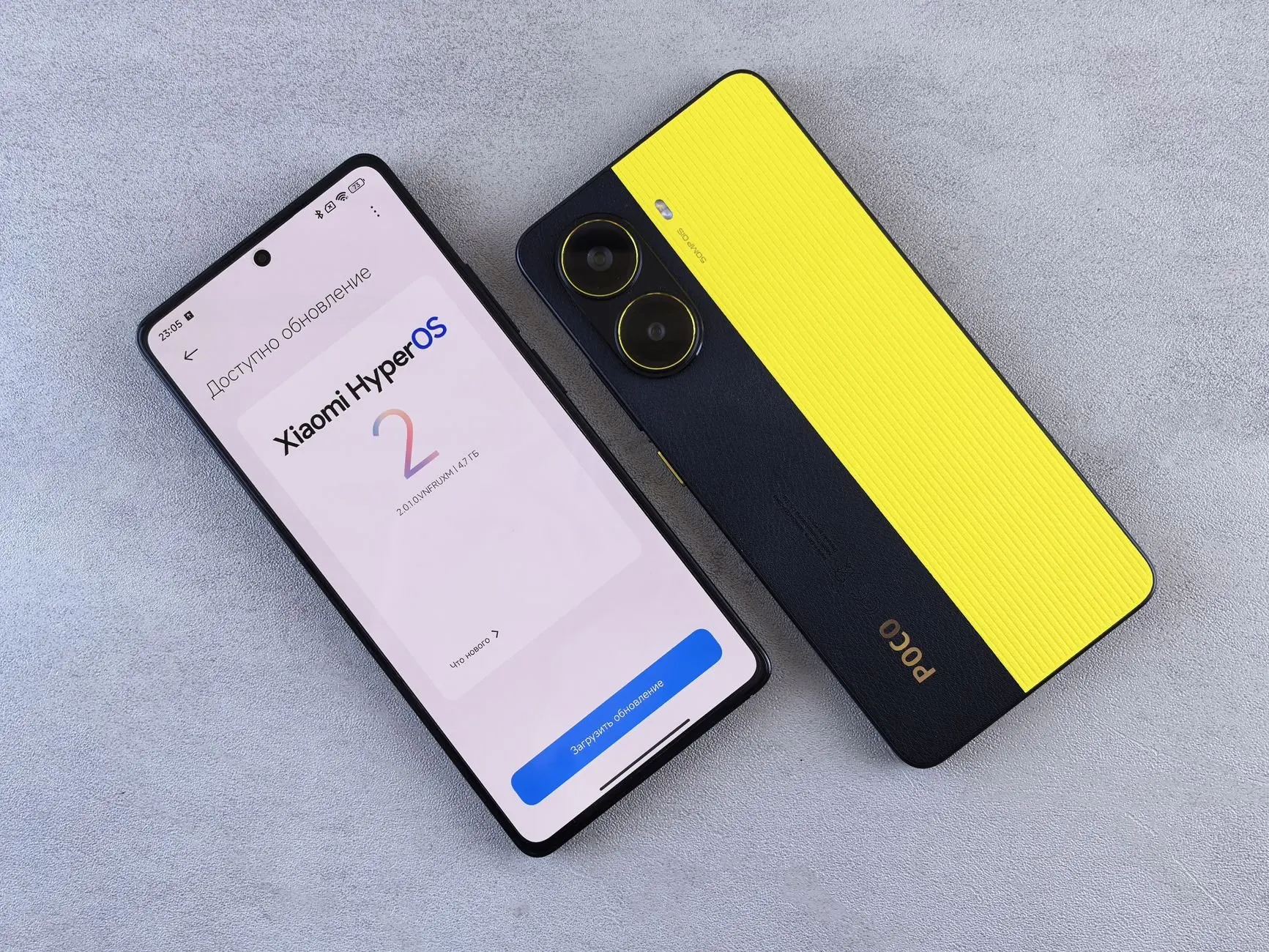
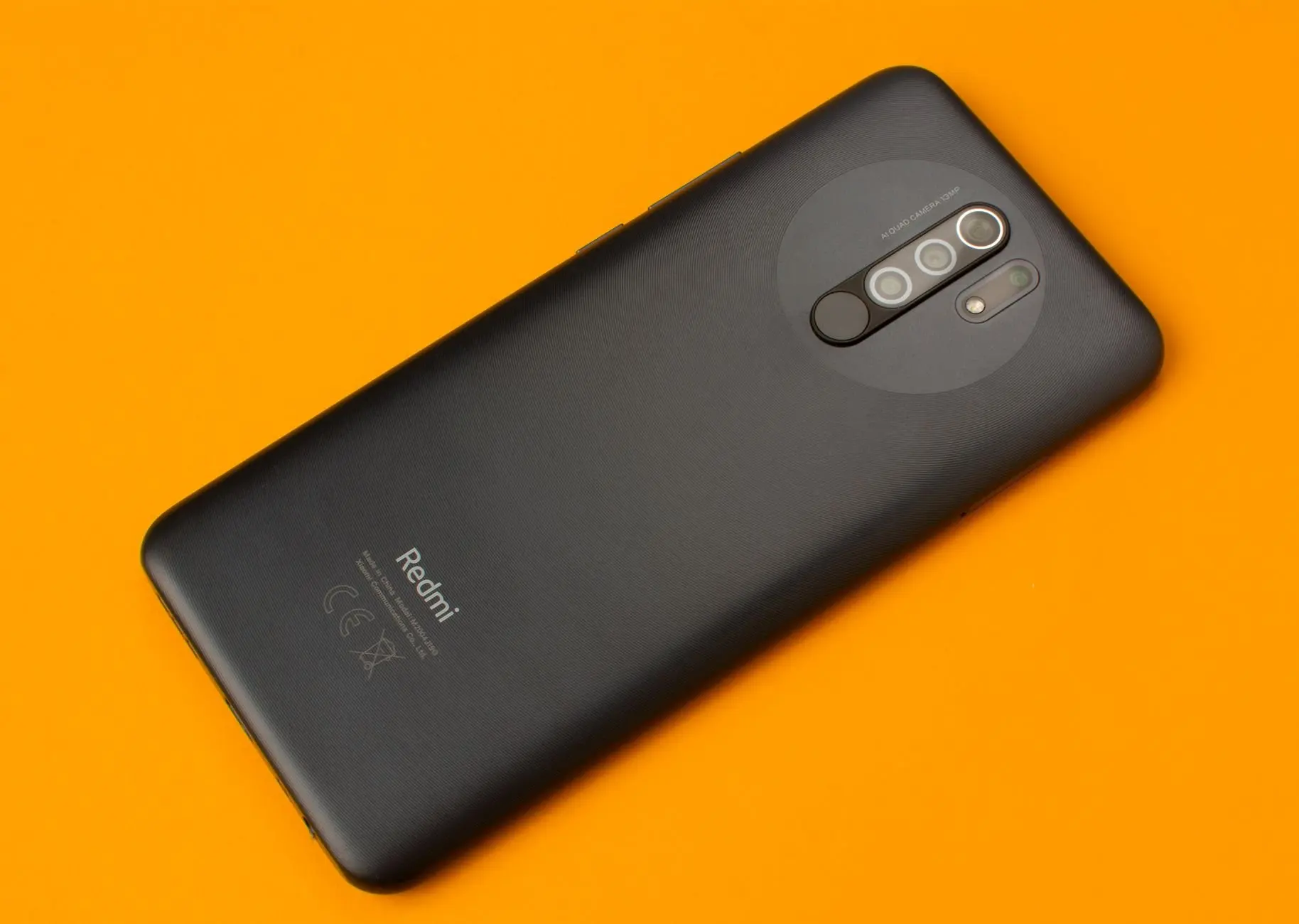
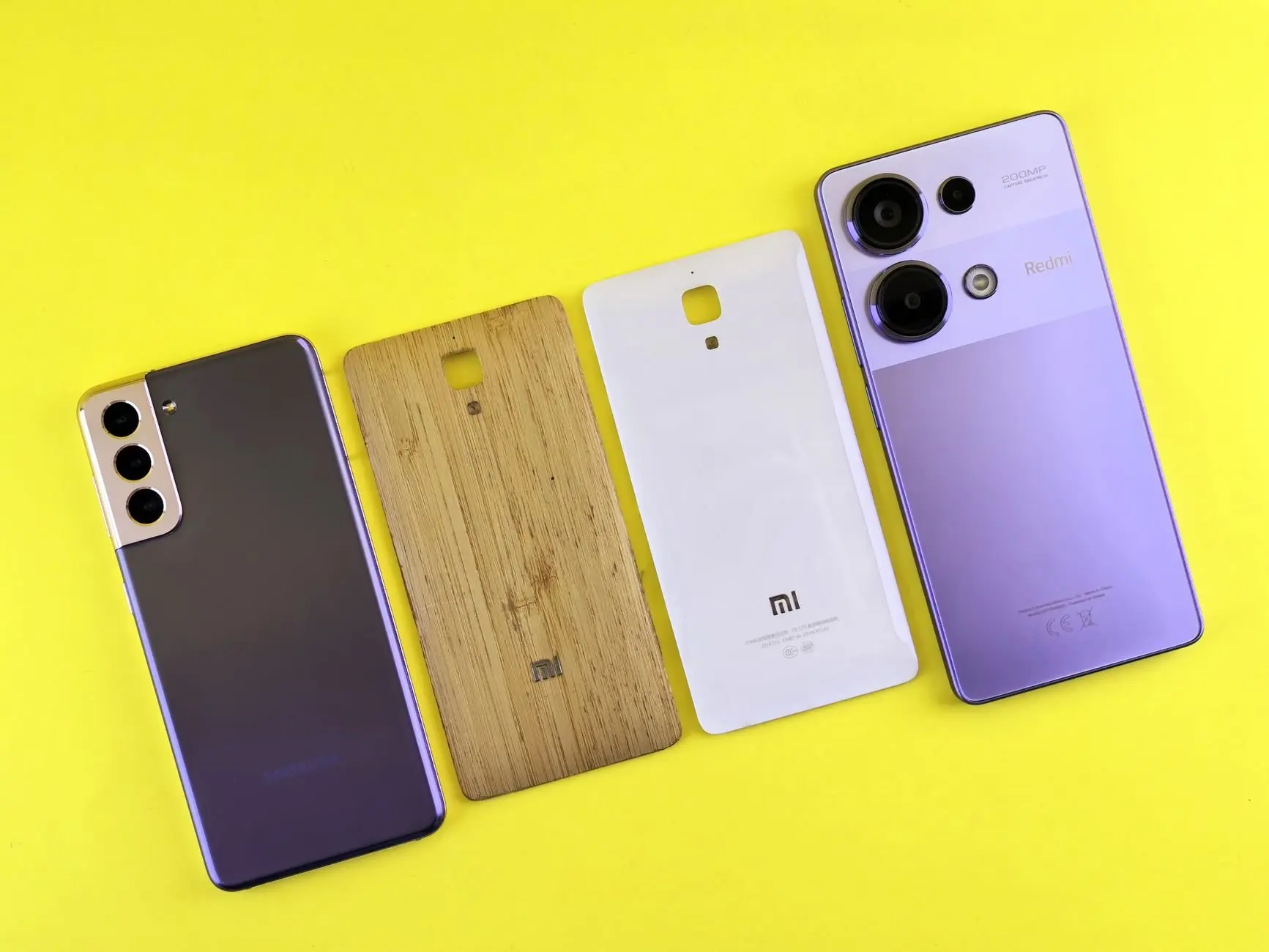
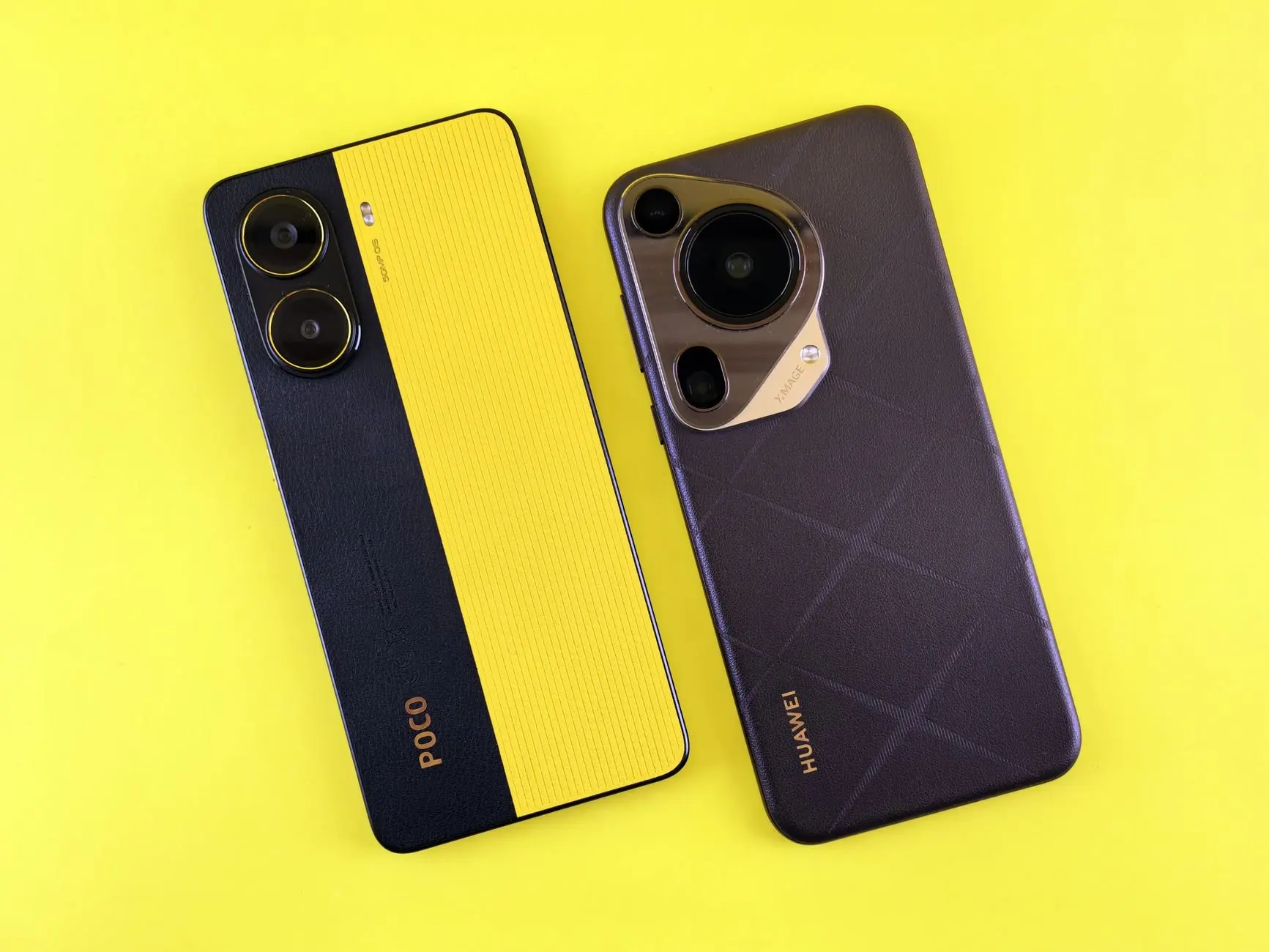
Redmi phones have a fully plastic casing and the least luxurious look of the family. Poco places its fingerprint sensor on the side, while the Xiaomi series builds it into the screen. If an under-screen sensor matters, Poco is not the line to pick. If the side sensor is acceptable, the build difference is a smaller factor than speed or video.
Models and prices
The retailer guide names the Poco X6 and X6 Pro as the latest Poco X phones, and the Redmi 13 series, including the Redmi 13C and Redmi Note 13, as the latest Redmi devices. Those names reflect the guide as edited on 8 July 2025, so newer generations may have replaced them by the time of purchase.
On price, the same retailer lists Redmi smartphones from €167.90 to €599.90. That span shows how wide the Redmi line is, from a basic phone to the Pro and Pro+ tier. It is a current retail listing and not a launch price. The guide gives no comparable Poco range, so the sensible step is to check current Italian shop listings for the exact Poco X and Redmi Note models being compared, using the same storage and memory options on both.
Which line suits which buyer
Redmi Note against Poco X for the money depends on what the phone is used for. The evidence supports a conditional answer.
- Poco X for speed and video. It offers speed close to high-end devices, 4K video and quick charging, which makes it the stronger value for gaming, filming and heavy app use.
- Redmi Note for everyday use on a tighter budget. It is often more powerful than a basic Redmi and keeps app switching smooth, though the Redmi line has weaker cameras and Full HD video.
- Poco F for maximum speed in the Poco range. It is often a bit faster than the X series, so it suits buyers who will push the phone hardest.
- Xiaomi series for premium features. It brings the under-screen fingerprint sensor and the high-end positioning, at a higher price tier.
- Redmi Pro or Pro+ for the best of Redmi. These are the strongest Redmi models, worth comparing directly with Poco X before deciding.
Shoppers who want to widen the search beyond this family can compare the best huawei phones and their Google services limits before committing.
Frequently asked questions
Is the Poco F series faster than the Poco X series?
Yes, the F series is often a bit faster than the X series, according to the retailer’s comparison guide. The X models remain the closer match for Redmi Note on price and positioning.
Can a Poco phone charge wirelessly?
No. The guide states that Poco devices are not suitable for wireless charging. Their strength is wired fast charging, about 80% within 30 minutes.
Which Redmi models are the best in the range?
The Pro and Pro+ models are named as the best smartphones in the Redmi series. They are the Redmi options most worth comparing against Poco X.
Which Poco X and Redmi Note models were named as the latest?
The guide names the Poco X6 and X6 Pro, and the Redmi Note 13 within the Redmi 13 series. Check shop listings for newer generations before buying.