The best xiaomi phones for Italy depend on budget: a Redmi Note suits value, the Poco Pro Max suits battery and speed, and the Xiaomi flagships suit camera-first buyers. Check Italian pricing and carrier bands before paying.
This comparison sorts the current Xiaomi, Redmi and Poco range into flagship and value tiers. It belongs to a wider look at chinese smartphones for italian networks, where the same buying checks apply to other brands.
Side-by-side comparison of the current range
The table groups seven models by tier and lists the hardware that most affects daily use. Prices are US listings, so use them to rank models against each other and not as Italian shelf prices.

| Model | Tier | Chipset | Battery | Charging | US listing | Planning use |
|---|---|---|---|---|---|---|
| Xiaomi 18 Pro Max | Flagship | Snapdragon 8 Elite Extreme Gen 6 | 8500 mAh | 100W | US$999 | Top hardware and the largest screen in the range |
| Xiaomi 16 Ultra | Flagship | Snapdragon 8 Elite 2 | 6000 mAh | 120W | Not listed | Ultra-tier pick for camera-focused buyers |
| Xiaomi 18 5G | Flagship | Not listed | 6500 mAh | 120W | Not listed | Flagship series with big battery and fast charging |
| Xiaomi 15 5G | Previous flagship | Snapdragon 8 Elite | 5240 mAh | 90W | Not listed | Likely to be discounted as newer models arrive |
| Redmi K90 Pro | Upper mid-range | Snapdragon 8 Elite 2 | 5500 mAh | 150W | US$699 | Flagship chip with the fastest charging listed |
| Poco X8 Pro Max 5G | Performance mid-range | Dimensity 9500s | 8500 mAh | 100W | US$515 | Largest battery at a mid-range price |
| Redmi Note 15 | Value | Snapdragon 6 Gen3 | 5520 mAh | 45W | US$285 | Everyday phone at the lowest price in the table |
Specifications and US prices come from the Smartprix Xiaomi price list, last updated on November 01, 2026.
Flagship picks
Xiaomi’s numbered series carries the brand’s strongest chips and charging. These phones suit buyers who keep a phone for years and want the most headroom.
Xiaomi 18 Pro Max
The Xiaomi 18 Pro Max is the top model in the current Smartprix listing. It pairs a Snapdragon 8 Elite Extreme Gen 6 chipset with an 8500 mAh battery and 100W charging. Its display measures 6.9 inches at 1208 x 2624 px and 120 Hz, with a punch-hole front camera. At US$999 it is also the most expensive phone listed, so it fits buyers who want maximum hardware and accept the price.
A 6.9-inch screen makes a large phone. Anyone who prefers one-handed use should hold one in a shop before choosing it over a smaller flagship.

Xiaomi 16 Ultra and the Leica question
The Xiaomi 16 Ultra lists a Snapdragon 8 Elite 2 chipset, 16 GB of RAM, a 6000 mAh battery and 120W charging. Its battery is smaller than the Pro Max’s, but it charges faster. Ultra-tier phones are where camera-focused buyers should look first.
On cameras, Deccan Herald reported that Xiaomi announced a premium smartphone with a Leica camera for a July 2022 launch. That marks the start of the Leica camera partnership. Because the listing gives no camera specifications, check a specific model’s camera page for Leica branding and sensor details before paying a flagship premium for photography.
Xiaomi 18 5G and Xiaomi 15 5G
The Xiaomi 18 5G lists a 6500 mAh battery and 120W fast charging, a stronger battery-and-charging pairing than the Ultra offers. The Xiaomi 15 5G uses the earlier Snapdragon 8 Elite with a 5240 mAh battery and 90W charging. The older model suits buyers who want flagship-class performance and will wait for a lower Italian retail price.
Value for money picks
Value is where Xiaomi’s range is most useful. The Redmi and Poco lines undercut the flagships by a wide margin while keeping large batteries. The differences between the three brand labels are covered in xiaomi vs redmi vs poco.
Redmi Note 15 for everyday use
The Redmi Note 15 answers the question of which Xiaomi model has the best value for money for most buyers. It lists a Snapdragon 6 Gen3 chipset, a 5520 mAh battery and 45W charging at US$285. A Redmi Note 15 4G variant is listed at US$209.99. That battery is larger than the Xiaomi 15 5G’s, at a fraction of the price. The trade-off is charging speed, which is the slowest of the models compared here. It suits calls, messaging, maps and video.
Poco X8 Pro Max 5G for performance per price
The Poco X8 Pro Max 5G lists a Dimensity 9500s chipset, an 8500 mAh battery and 100W charging at US$515. It matches the Xiaomi 18 Pro Max on battery size and charging wattage while costing about half as much in these listings. It is the strongest option for gamers and heavy users who do not need a flagship camera. Its chipset is not a Snapdragon, which matters only if a buyer specifically wants Qualcomm silicon.
Redmi K90 Pro as the cut-price flagship
The Redmi K90 Pro uses the same Snapdragon 8 Elite 2 chipset as the Xiaomi 16 Ultra. It adds 150W charging, the highest wattage in this comparison, with a 5500 mAh battery, at US$699. It suits buyers who want flagship speed and very fast top-ups more than maximum battery life.
Chipsets and charging speed
Qualcomm Snapdragon chips appear across most of the range, in clearly separated tiers. The Snapdragon 8 Elite family powers the Xiaomi 15 5G, the Xiaomi 16 Ultra, the Redmi K90 Pro and the Xiaomi 18 Pro Max. The Snapdragon 6 Gen3 sits in the Redmi Note 15, which explains much of the price gap. The Poco X8 Pro Max 5G is the exception, using a Dimensity chip.
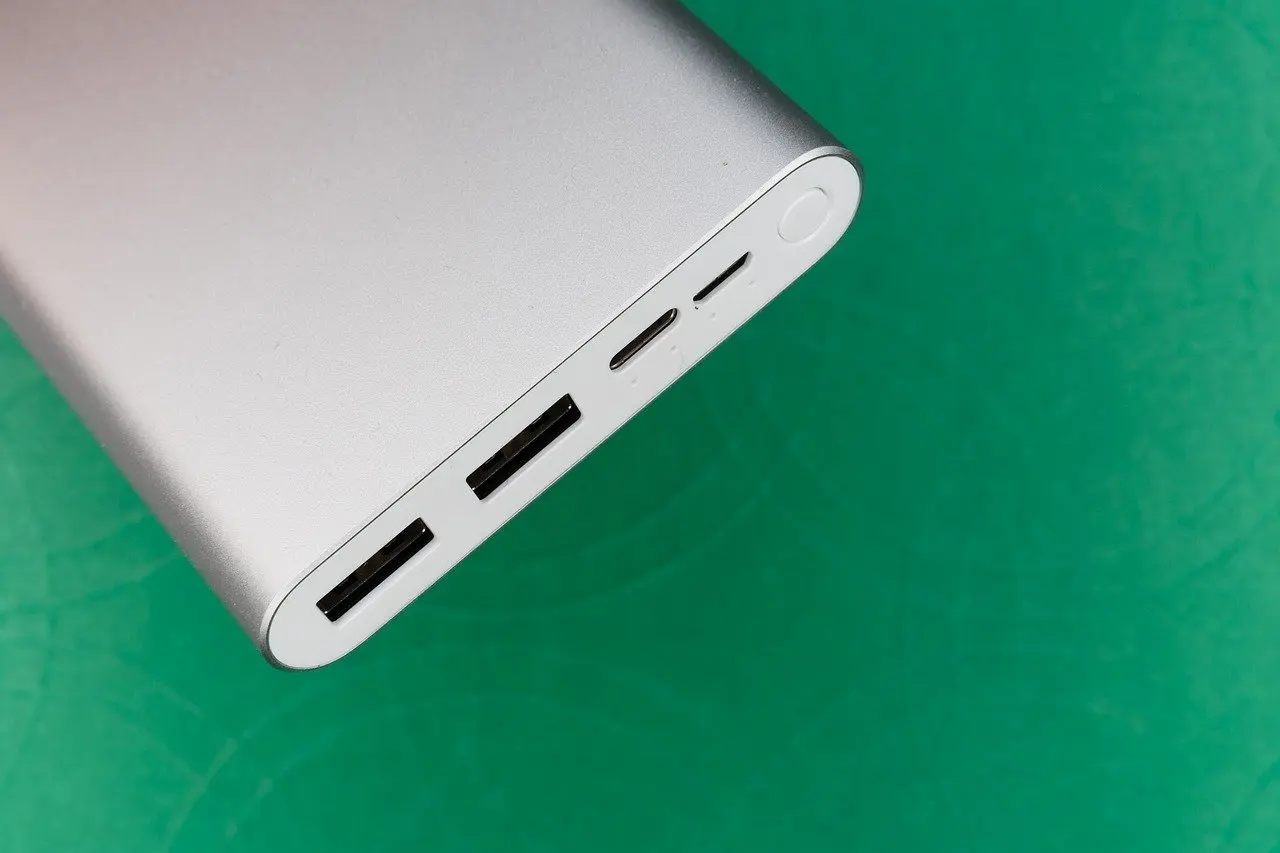
Charging matters as much as battery size when the phone is plugged in daily. In the Smartprix listing, 150W on the Redmi K90 Pro and 120W on the Xiaomi 18 5G and 16 Ultra lead the range. The Redmi Note 15 manages 45W. Fast charging needs a charger and cable that support the phone’s wattage, so confirm what is in the Italian retail box before buying a separate charger.
Checks before buying in Italy
Every price here is a US listing. Compare Italian retailer prices, including VAT, before treating any model as good value. Models that appear in global price lists may not all be sold through Italian channels, so confirm availability first.
- Network bands: confirm that the exact variant supports the bands your Italian carrier uses, because regional versions of the same model can differ.
- Software updates: read the update commitment on the product page for the exact model. Longer support favours the flagships and Redmi K90 Pro-class phones for keepers.
- Warranty and seller: buy from an Italian seller to keep local warranty rights.
For context on how Xiaomi sits among its rivals, see the overview of chinese smartphone brands in italy.
Which phone suits which buyer
- Tight budget: the Redmi Note 15 gives the largest battery per unit of price and adequate everyday speed.
- Heavy users and gamers: the Poco X8 Pro Max 5G offers an 8500 mAh battery and 100W charging at a mid-range price.
- Speed and quick top-ups: the Redmi K90 Pro combines a flagship Snapdragon with 150W charging.
- Cameras and longevity: the Xiaomi 16 Ultra or the Xiaomi 18 Pro Max, after checking camera specifications and Italian pricing.
- Waiting for a bargain: the Xiaomi 15 5G, once Italian retail prices fall.
Frequently asked questions
Which Xiaomi phone has the biggest battery?
The Xiaomi 18 Pro Max and the Poco X8 Pro Max 5G both list an 8500 mAh battery, according to Smartprix.
Do all these Xiaomi phones use Qualcomm Snapdragon?
No. Most of the models listed use Snapdragon chips, but the Poco X8 Pro Max 5G uses a Dimensity 9500s, per the same price list.
Is there a Xiaomi phone with a Leica camera?
A high-end handset with Leica optics was set for a July 2022 debut, as Deccan Herald reported. Check a model’s own camera page for current Leica branding.
Are the listed prices what buyers pay in Italy?
No. They are US listings from a price list updated on November 01, 2026, so Italian prices will differ. Compare Italian retailers before deciding.