The best phone cases depend on the job: silicone suits grip and everyday shock absorption, hybrid polycarbonate-and-TPU cases suit drop protection, and clear cases suit showing the phone, with a yellowing trade-off. Check wireless charging fit before buying.
Cases are one part of the wider range of best phone accessories. The sections below compare materials first, then clear, rugged and wireless-charging considerations, and finish with fit checks.
Material comparison at a glance
| Material | Documented properties | Planning use |
|---|---|---|
| Silicone | Stretches up to 700% before breaking; strong shock absorption and grip | Suits daily carry where a secure hold matters more than a slim, rigid shell. |
| Polycarbonate (PC) | Tensile strength 55–75 MPa; elongation 80–150%; on its own it absorbs less impact than TPU | A rigid, slim shell that works best when paired with a softer layer. |
| Hybrid PC and TPU | PC provides structure; TPU provides the flex that absorbs drop impacts at the corners | The usual choice when drop protection and a firm shell are both wanted. |
Silicone and polycarbonate figures come from Rokform’s materials guide, and the TPU yellowing and hybrid roles come from Benks’ materials guide. Both are case makers, so the values are manufacturer descriptions rather than independent lab results.
Everyday cases: silicone, hard and hybrid
For everyday use, silicone is the safer default for grip and shock absorption, and a hard or hybrid case suits people who want a firmer, slimmer shell. The right pick depends on whether the main risk is a slip from the hand or a hard impact.
Silicone
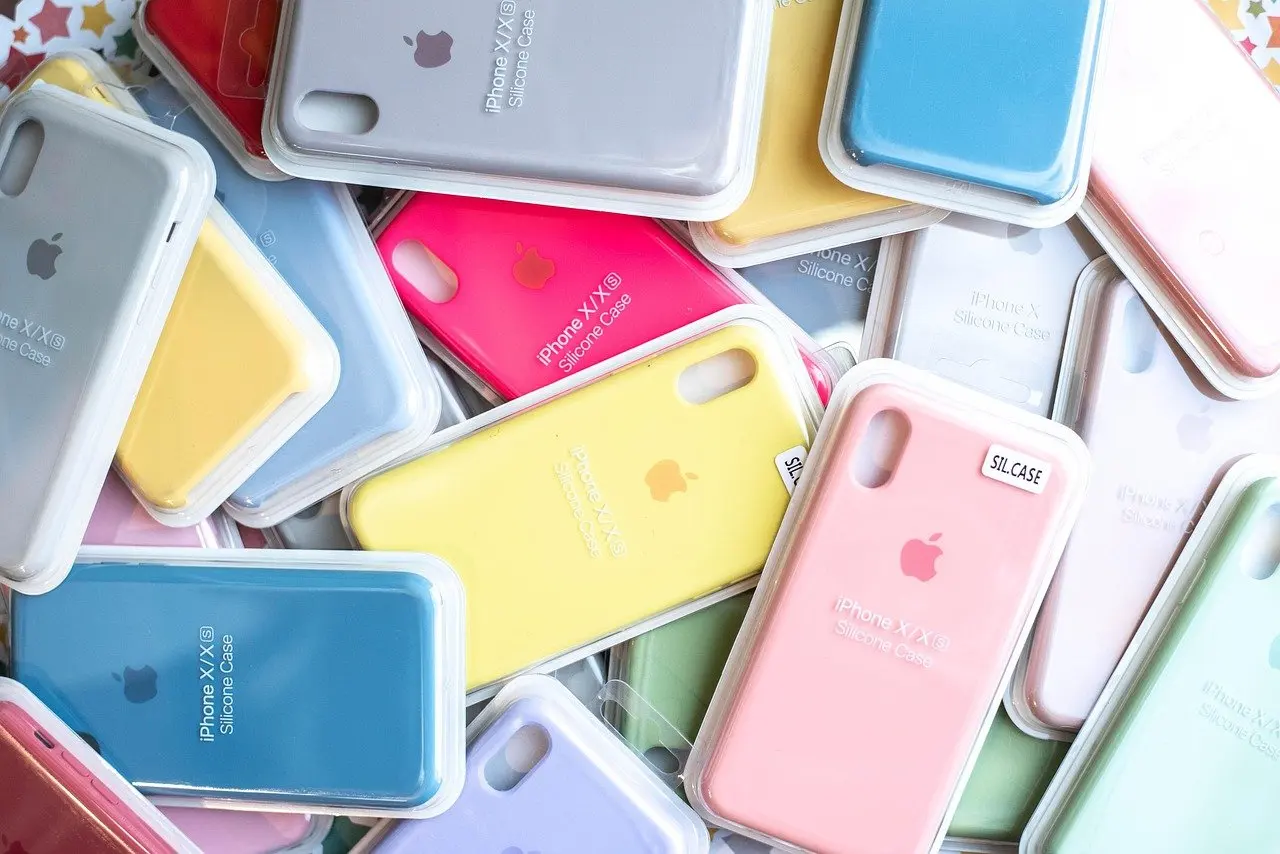
Rokform describes silicone as having strong shock absorption and grip, with an ability to stretch up to 700% before it breaks. That stretch explains why silicone feels soft and holds well in the hand. It is a good match for people who drop a phone from pocket or desk height and want the case to stay put on a smooth palm.
Polycarbonate and hybrids
Polycarbonate is rigid. Rokform’s table lists 55–75 MPa tensile strength and 80–150% elongation for PC, against 20–60 MPa and 300–500% for TPU. Benks adds that PC on its own offers less impact absorption than TPU. That is why hybrids pair the two, with PC giving structure and TPU giving the flex that absorbs drop impacts at the corners.
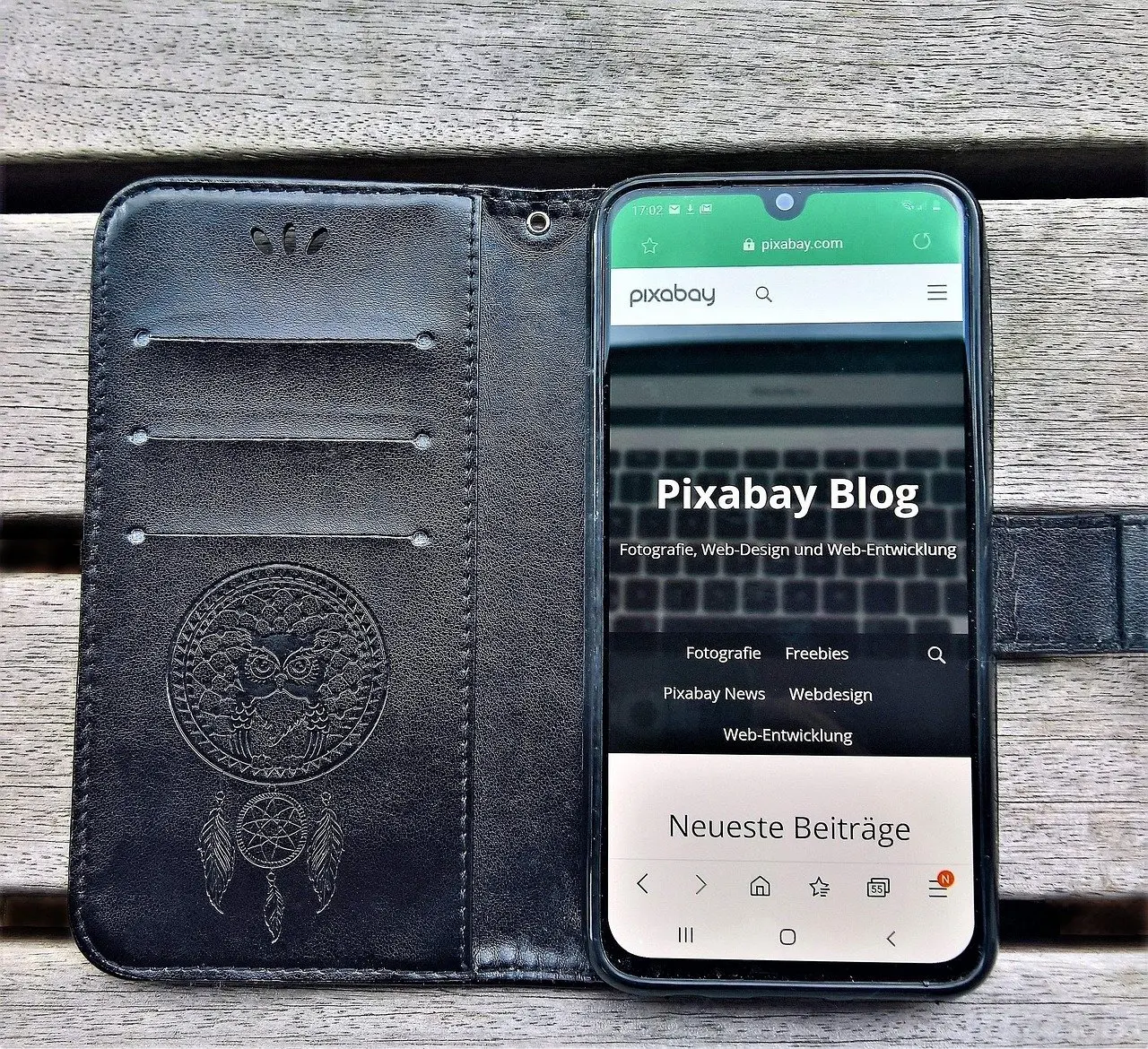
A hard case therefore suits someone who prefers a firm, slim feel, and a PC-and-TPU hybrid suits someone who also wants corner protection. A bare rigid shell is the weakest choice for hard falls. Folio-style cases, such as the leather flip case below, trade this impact protection for card slots and a cover.
Clear cases and yellowing
Clear cases do turn yellow over time, and UV light is the cause. Benks explains that UV light reacts with the polymer and produces chromophores, molecular structures that absorb blue light and make the case look yellow or orange.
Benks states that this starts within 3–6 months for most TPU cases and speeds up in warmer climates. A clear TPU case is therefore a short-term choice, best for someone who is happy to replace it.
Mous takes a different route for its Clarity range, using UV-resistant polycarbonate with an anti-yellowing coating designed to keep the case clear for longer. The company is candid that there is no guarantee against all discolouration over time, though it calls the issue one it has engineered specifically to address (Mous).
On a clear case versus a silicone case, the choice comes down to appearance against ageing. Clear cases show off the phone but can visibly discolour. An opaque silicone case avoids showing the phone, and it offers the grip and shock absorption described earlier. If a clear case is the priority, a UV-resistant polycarbonate build with a coating is the better-documented option than plain clear TPU.
Rugged cases and drop-test claims
A rugged case is only as trustworthy as the evidence behind its label. Phrases such as “military-grade drop protection” appear in product copy, for example in Rokform’s description of combining its materials with TPU, without naming a test or the conditions behind it.
Treat such wording as a marketing label unless the maker names the published standard, the drop conditions and ideally an independent lab. Without those details, compare the physical features instead.
- Impact lining. Mous describes its AiroShock lining as a high-impact material that absorbs and disperses energy on impact, slowing the rate of deceleration.
- Raised edges. Mous says raised edges on the top and bottom of every case are designed to protect the screen during face-down drops.
- Camera surrounds. Mous also describes raised camera surrounds with high-defence TPU bumpers, designed to lift the lens clear of flat surfaces.
These are manufacturer statements from Mous, which makes them useful design clues rather than lab proof. A raised lip helps with face-down falls but does not replace a screen protector, which is covered in the tempered glass vs plastic screen protector comparison.
Wireless charging and thick cases
A thick case does not automatically block wireless charging, but it can make it less efficient. Benks notes that thick TPU can reduce charging efficiency if the alignment between the phone’s coil and the charger’s coil is off. In practice, a thick case needs a charger that lines up reliably.
Case makers state compatibility directly. Mous says its cases are designed to be fully compatible with wireless charging, including MagSafe at up to 15W with a compatible charger (Mous). A published compatibility statement from the maker is more useful than a thickness guess, so check the product page for the charging standard you use.
Material matters beyond charging. Anyone who charges in a vehicle can compare chargers in the best car charger for phone guide.
Matching a case to your exact phone
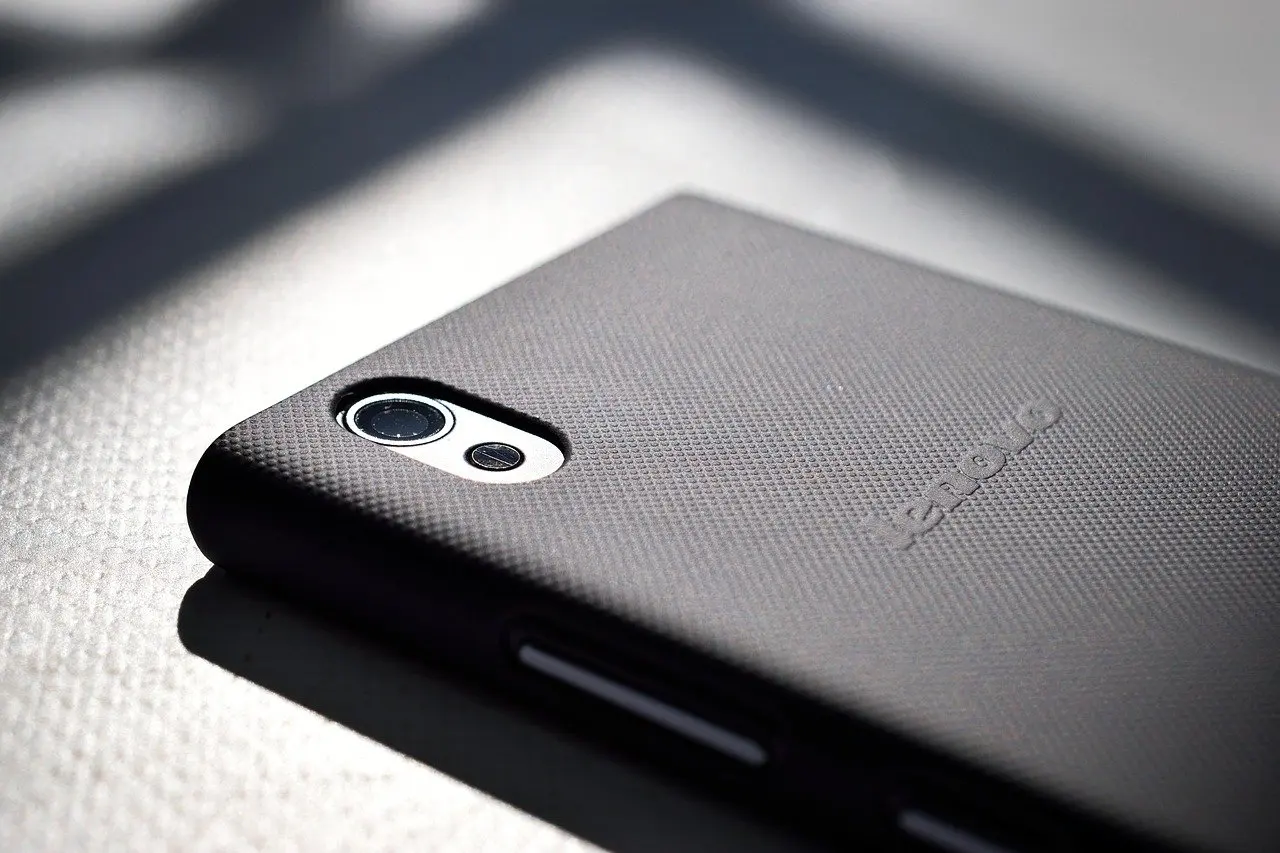
Choose a case made for the exact model name, not a similar size, because the fit details depend on the individual phone. Cutouts, button covers and camera surrounds are cut for one layout and do not transfer between models.
Before buying, check these points on the product page and again on arrival.
- Model name. Match the full model name listed on the case, including any Pro or Max suffix.
- Camera cutout. The opening should clear every lens, and a raised surround should sit above the back surface to lift the lens off flat surfaces.
- Button covers. Covers should press cleanly without sticking, and port openings should line up.
- Charging standard. For magnetic charging, look for a stated MagSafe or Qi2 compatibility, as Mous states that Qi2 compatible cases work with any Qi2-certified charger.
Choosing by situation
- Daily carry with a secure grip. Silicone, for its documented grip and shock absorption.
- Slim and firm. Polycarbonate, accepting that it absorbs less impact on its own.
- Drop protection. A PC-and-TPU hybrid or a rugged case with a stated impact lining and raised edges, ideally with the test named.
- Showing the phone. A clear case, ideally UV-resistant polycarbonate with an anti-yellowing coating, and replaced when it discolours.
- Frequent wireless charging. A case with a stated compatibility for your charger, aligned carefully if it is thick.
Frequently asked questions
Do TPU cases make a phone run warmer?
Benks says a TPU case insulates heat rather than dissipating it, so it holds warmth more than a case that sheds heat.
Which material copes best with temperature extremes?
Rokform states that polycarbonate cases can handle a wider range of temperatures than softer materials, from -40°C to 135°C (Rokform).
Can a case weaken phone signal?
It can if the material conducts electricity.
Does Qi2 need a special charger?
Mous states that Qi2 compatible cases work with any Qi2-certified charger, so the charger itself should carry the Qi2 certification.