The best wireless charger android owners can buy is one that follows the same standard as the phone: Qi2 for magnetic alignment, plain Qi for broad compatibility, with built-in safety features.
Picture a new Android phone with no charger in the box and a bedside table that needs tidying. The choice comes down to the standard the phone supports, then to the desk style and how much output is useful. Phone shortlists start with the guide to chinese smartphones for italian networks, and this page then matches the charger or power bank to the handset.
Start with the standard your phone supports
A wireless charger only works well when the phone and charger share a standard. Anker’s wireless charger guidance says plainly that the phone and charger must follow the same wireless charging standard to function properly. Qi chargers are generally compatible with any Qi-enabled device, and that includes Android phones.
Qi2 is a newer standard developed by the Wireless Power Consortium. Unlike traditional Qi, which relies on manual coil-to-coil placement, Qi2 uses magnets to lock the device into position. For an Android owner, the practical step is to look up the phone’s specification page and see whether it lists Qi or Qi2 before comparing chargers.
Wattage figures need the same care. Anker states that Qi2 chargers with 15W output deliver double the speed of standard 7.5W iPhone wireless charging, and that newer Qi2 25W-certified models raise the ceiling to 25W. Those comparisons are made against an iPhone. For an Android phone, the number that matters is the wireless wattage its maker lists, and a charger’s rating is only a ceiling on what it can deliver, not a promise of speed.
Standard Qi pads for any Qi-enabled phone
A flat Qi pad is the simplest choice for an Android phone that supports Qi but not magnetic alignment. It suits a desk, a kitchen counter or an office drawer, where the phone is set down and left for a short top-up. Because Qi depends on manual coil-to-coil placement, the phone has to be lined up over the charging area by hand, and that is the main limitation of a flat pad.
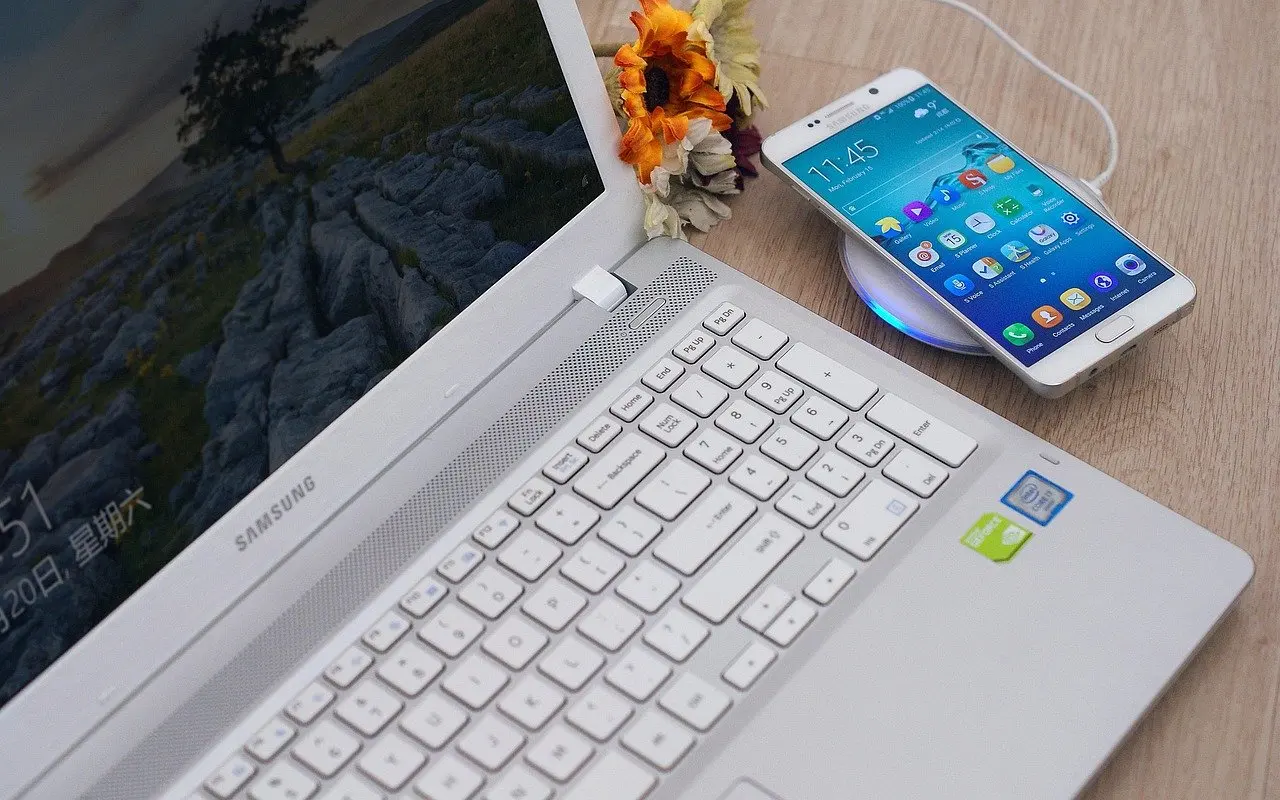
A pad also keeps decisions simple. If the phone’s specification page lists Qi support and no higher standard, a plain Qi pad matches it, and paying extra for a magnetic Qi2 model adds little. Buyers who want faster charging should instead look at what wireless wattage the phone itself accepts.
Qi2 magnetic chargers for supported Android phones
Qi2 chargers suit people who are tired of nudging a phone onto a pad. The magnets hold the phone in position, so the coils stay lined up, which is the practical advantage over manual placement. Anyone searching for qi2 android phones should treat it as a compatibility question first: the phone has to follow the same standard as the charger, and the phone maker’s page is the place to confirm it.
Output is the second consideration. Anker’s Qi2 range at 15W is the baseline, and the newer Qi2 25W-certified models lift the ceiling. The higher figure only helps when the phone can use it. Anker also fits ActiveShield technology to its Qi2 and MagSafe-compatible wireless chargers to regulate temperature actively, which matters because wireless charging generates some heat.
Anker Prime station for the highest output
The Anker Prime wireless charging station is the high-output option in the range. Anker describes it as delivering 25W output with built-in TEC active cooling and a fold-flat design. The cooling is the notable detail, since a charger pushing more power produces more heat to manage.
Anker also claims the 25W station pushes an iPhone to 50% in 22 minutes. That is a vendor figure measured on an iPhone, so it shows what the charger can do rather than what an Android phone will receive. The station suits people whose phone is built for the matching high-output standard and who want a fold-flat base for travel. For a phone that accepts only a lower wireless wattage, a cheaper charger gives the same result.
Foldable 3-in-1 charger for travel
The Anker MagGo foldable 3-in-1 charger offers 15W Qi2 and MagSafe-compatible wireless charging, according to Anker’s product listing. It suits anyone who wants a single folding base rather than separate pads, such as a traveller packing for a weekend. Compact handsets, including the small chinese smartphones that fit easily in a hand, pair naturally with a travel-sized folding charger.
Its limitation is output. At 15W it sits below the 25W ceiling of the newest Qi2 models, and the MagSafe-compatible label describes compatibility with a particular magnetic system. An Android owner should confirm the phone supports the matching standard before relying on the magnets.
Stand chargers for desk and bedside
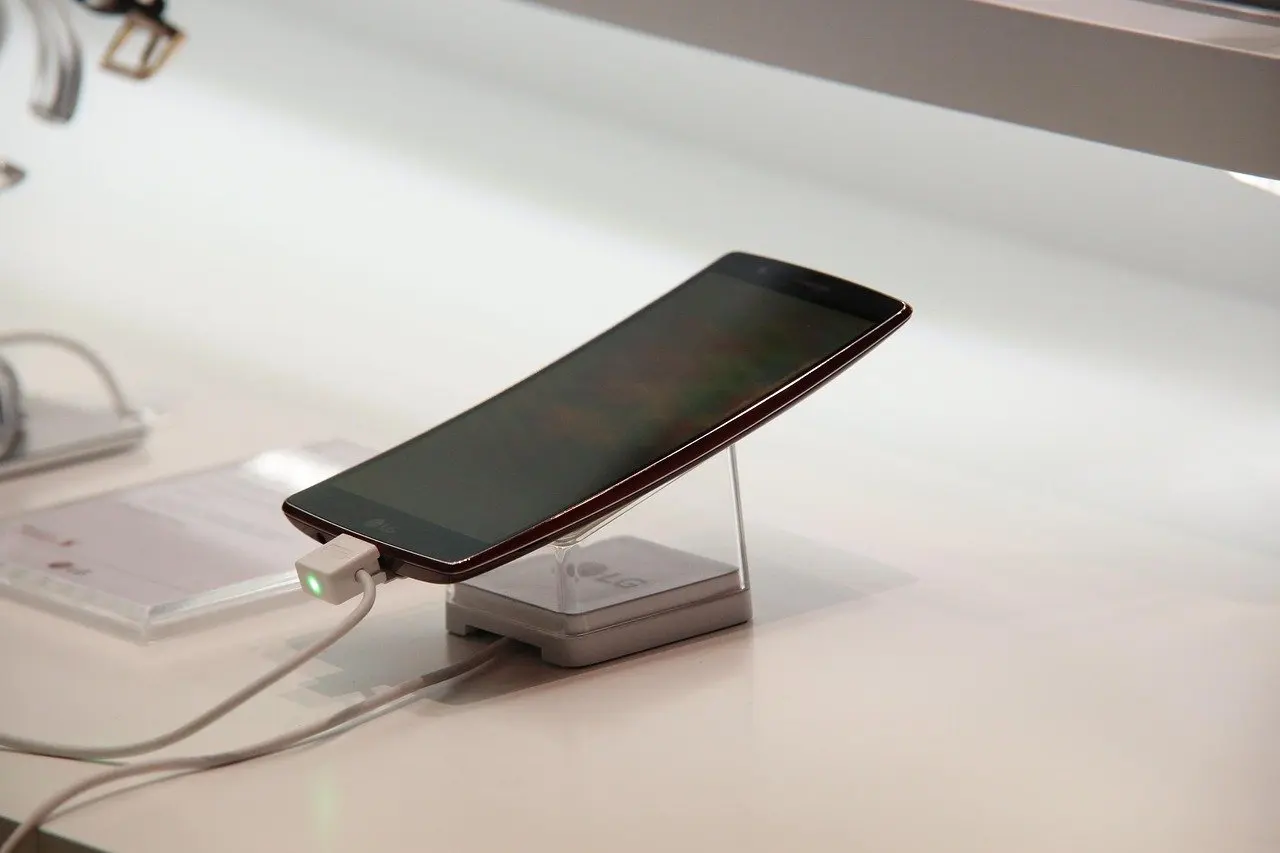
A stand holds the phone upright, so the screen stays visible for alarms, notifications and video calls while it charges. That makes a stand the practical pick for a work desk or a bedside table, and a flat pad the better pick where the phone is simply set down and forgotten.
Stand-style chargers still need the phone and charger to follow the same standard, and the phone’s coil has to sit where the stand expects it. A magnetic Qi2 stand removes the alignment guesswork for phones that support Qi2. For a phone that supports only Qi, check that the stand’s design leaves the phone resting over the charging area.
Side-by-side comparison
| Charger type | Output and features | Planning use |
|---|---|---|
| Standard Qi pad | Works with Qi-enabled phones; manual coil-to-coil placement | Cheapest route for a Qi phone; line the phone up by hand |
| Qi2 magnetic charger | Magnet alignment; 15W baseline, newer 25W-certified models | Pick for phones that support Qi2 and a hands-off setup |
| Anker Prime wireless charging station | 25W output, TEC active cooling, fold-flat design | Worth it only if the phone accepts the high output |
| Anker MagGo foldable 3-in-1 | 15W Qi2 and MagSafe-compatible wireless charging | Folding travel base for a Qi2-capable phone |
Figures come from Anker’s wireless charging collection, where outputs are the maker’s own ratings.
Power banks for Android phones
A power bank solves a different problem from a wireless pad: charging away from a socket. Wireless power banks are convenient, but a wired USB-C connection is the dependable way to charge on the move. The same matching principle applies, so the output rating on the power bank should suit the wired charging the phone accepts.
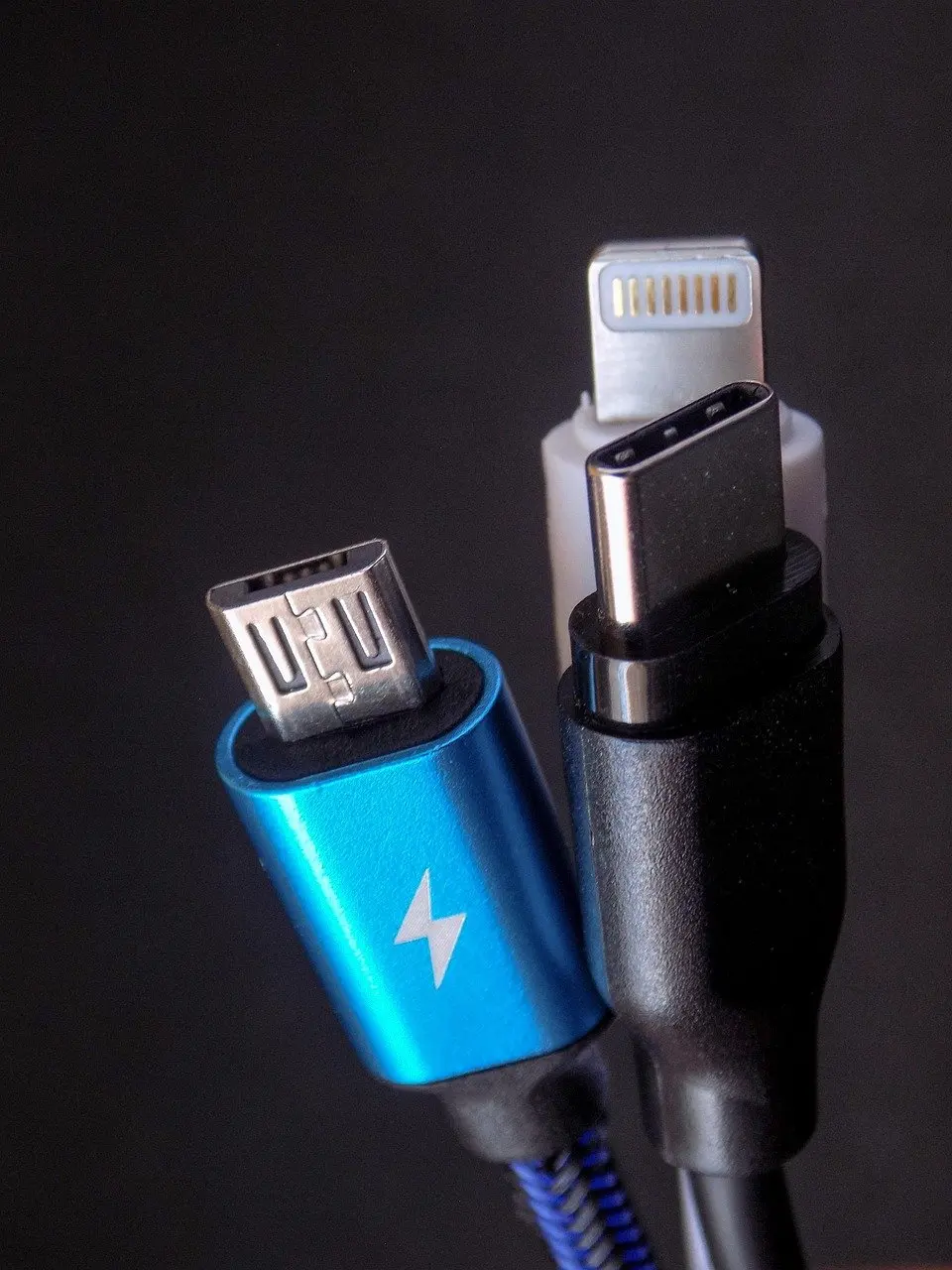
Read the label on the power bank. It shows the capacity and the output wattage, and the output is the figure to compare with the phone’s wired charging specification. Buyers looking for power bank fast charging xiaomi should check the charging wattage on the handset’s own specification page, then look for a power bank whose USB-C output covers it and lists a matching fast-charging protocol such as USB Power Delivery. A larger capacity gives more recharges, while a higher output gives faster charging, so the two ratings answer different questions.
Before spending on accessories for a Xiaomi handset, it is also sensible to read how long do xiaomi phones get updates, since a good charger or power bank can outlast the phone it was bought for.
Heat and safety features to look for
Wireless charging generates some heat, but modern wireless chargers include safety features to minimise overheating, according to Anker. The features worth looking for are foreign object detection and short circuit protection. Active temperature regulation, such as the ActiveShield technology on Anker’s Qi2 range, or active cooling like the TEC system on the Prime station, adds a further margin for chargers that run at higher output.
A phone case that is bulky or has metal parts can interfere with any wireless charger, so a charger that detects foreign objects is a sensible choice. When a charger lacks stated safety features, a basic Qi pad from an unknown maker is a weak purchase, whatever the price.
Decision checklist
- Check the phone’s page. Find whether it supports Qi or Qi2 and what wireless wattage the maker lists.
- Choose the form. Pick a flat pad for quick top-ups, a stand for a visible screen, or a folding base for travel.
- Treat the rating as a ceiling. Choose output that matches what the phone accepts instead of paying for headline numbers.
- Confirm safety features. Look for foreign object detection, short circuit protection and temperature regulation.
- Add a power bank for travel. Match its USB-C output to the phone’s wired charging specification.
Frequently asked questions
What is the best wireless charger for Android?
The best choice is the charger that matches the standard the phone supports. A Qi charger works with Qi-enabled phones, a Qi2 charger suits phones that support the magnetic standard, and the rating should stay within what the phone accepts.
Is it safe to leave a phone on a wireless charger overnight?
Anker does not recommend it. The company says overcharging can cause a phone’s battery to degrade, resulting in a shorter lifespan.
How much do wireless chargers cost?
Anker’s US store lists wireless chargers from US$23.00 to US$230.99. Those prices are in US dollars, not euro, so Italian prices will differ.