| Option | Reported strength | Trade-off to weigh | Planning use |
|---|---|---|---|
| Samsung Galaxy Buds Live | Open-fit design with minor active noise reduction | Noise reduction is light, so loud commutes get limited help | Listeners who want an Android-friendly pair without a sealed canal fit |
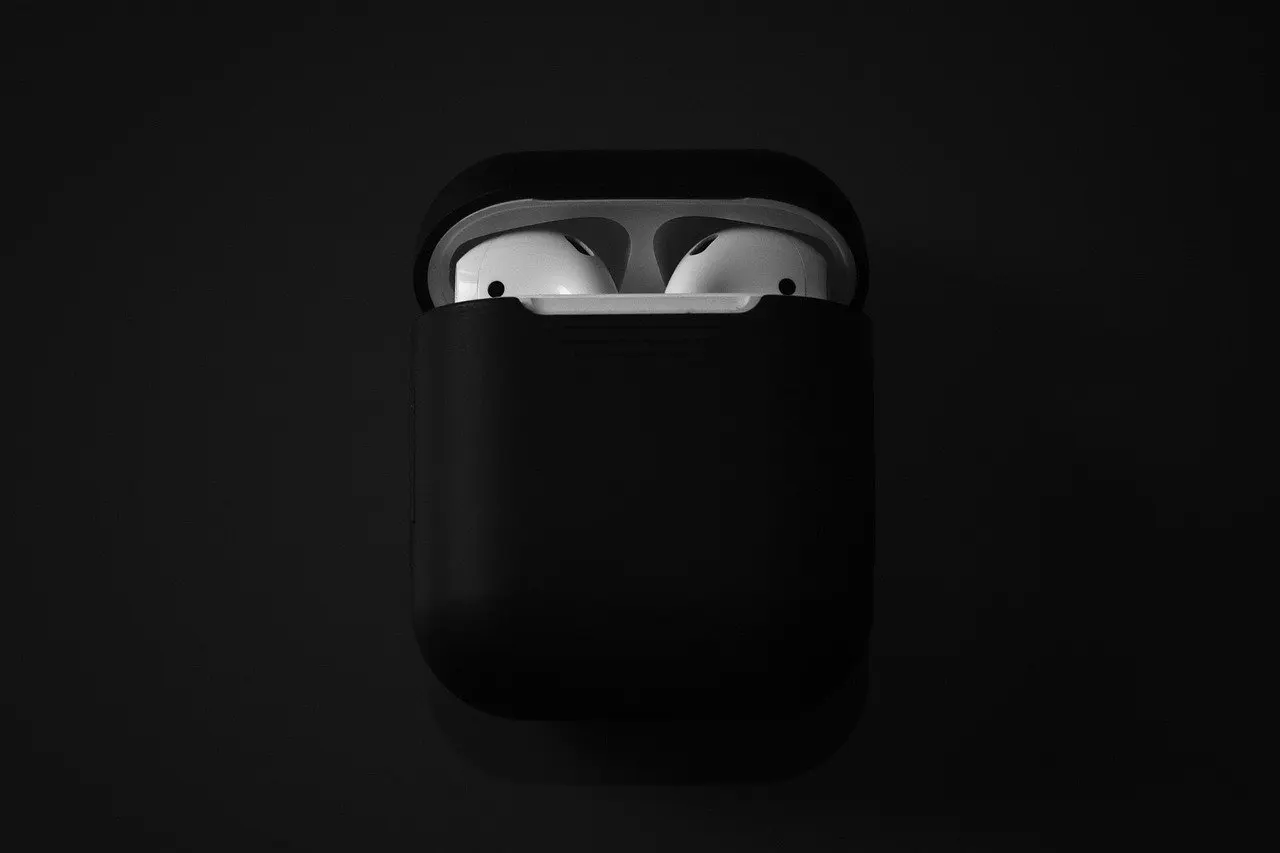
| Apple AirPods | Reported to work with Android phones just fine | Based on user experience, not a compatibility list | Anyone who already owns a pair and now uses an Android phone |
| Anker Soundcore | Battery rated at 9 hours per charge | A rated figure relayed by a user, not a measured result | Long listening sessions between top-ups |
| Sony WI-C310 | Longest battery life among one listener’s earbuds, a few days between charges | A single user’s report | Listeners who dislike charging often |
| Shokz OpenRun Pro | Bone conduction speakers, not in-ear | A different category from sealed in-ear buds | Listeners who want nothing inside the ear canal |
The glance table draws on listener reports in a Straight Dope forum thread about earbuds for Android phones, so it reflects reported experience rather than lab measurement.
The best wireless earbuds for Android depend on how you listen: pick noise cancelling with transparency mode for noisy commutes, an open or non-canal design for comfort, and a battery rating that matches your longest session.
Earbuds are one part of a phone setup, and the wider range of add-ons sits in our guide to the best phone accessories. The sections below sort the choice by situation rather than by brand, because fit, noise and battery decide more than a model name.
Noisy commutes and busy streets
Active noise cancellation suits listeners who spend time in loud places. One forum contributor advises looking for both noise cancelling and transparency mode, and the pairing makes sense: the first quiets a train or road, the second lets outside sound back in when a platform announcement or a passing car matters.
There is also a hearing-comfort reason to care. Ambient noise can otherwise push a listener to turn the volume up to a level where the phone itself warns about hearing damage. Cutting the background noise first is a more sensible fix than raising the volume against it.
Not every noise feature is equal. The Samsung Galaxy Buds Live are described as having only minor active noise reduction, so they suit someone who wants a little softening rather than isolation. A commuter in a loud city will get more from a sealed design with stronger cancellation.
- Choose strong cancellation when the daily journey is loud and you would otherwise raise the volume.
- Choose light noise reduction when awareness of the street matters more than silence.
- Keep transparency mode in the spec list if you cross roads or hear announcements while listening.
Drivers have a separate concern, since navigation and calls run through the phone as well. A secure best car phone mount keeps the screen in view while the earbuds handle the audio.
Comfort and fit for long sessions
Fit is where earbud choices most often go wrong, and it varies by model and ear-tip size. One listener found a pair uncomfortable for more than 20-30 minutes, a useful warning that a comfortable first few minutes do not prove a comfortable evening.
Ear tips are the first thing to adjust. The same contributor noted that the buds come with different size rubber ear parts and that only the default ones had been tried. Before judging a pair as a poor fit, test the other sizes, since a loose seal and a tight one feel very different.
Sealed fit also brings a side effect. When earbuds sit too snug in the ear canal, one listener reports hearing every footstep, because the sealed canal transmits body-borne sound. That suits a quiet seat on a train less well than it suits a walk on a soft path.
Open-fit and non-canal options
Some listeners avoid the canal altogether. One forum contributor says they do not like earbuds that go into the ear canal, and uses Shokz OpenRun Pro, which are bone conduction speakers. The Galaxy Buds Live take a related route with an open-fit design.
- Open-fit suits people who find canal buds uncomfortable and want some awareness of their surroundings.
- Sealed canal buds suit people who want stronger noise control and can find a tip size that stays comfortable.
- Bone conduction suits a narrower group who want nothing in the ear, accepting that it is a different category from standard true wireless earbuds.
Earbuds or over-ear headphones for a phone
Earbuds are the better choice when the main complaint is bulk, and over-ear headphones are the better choice when the main complaint is canal pressure. The evidence here is about comfort rather than sound quality, so the decision rests on how the ear tolerates each design.
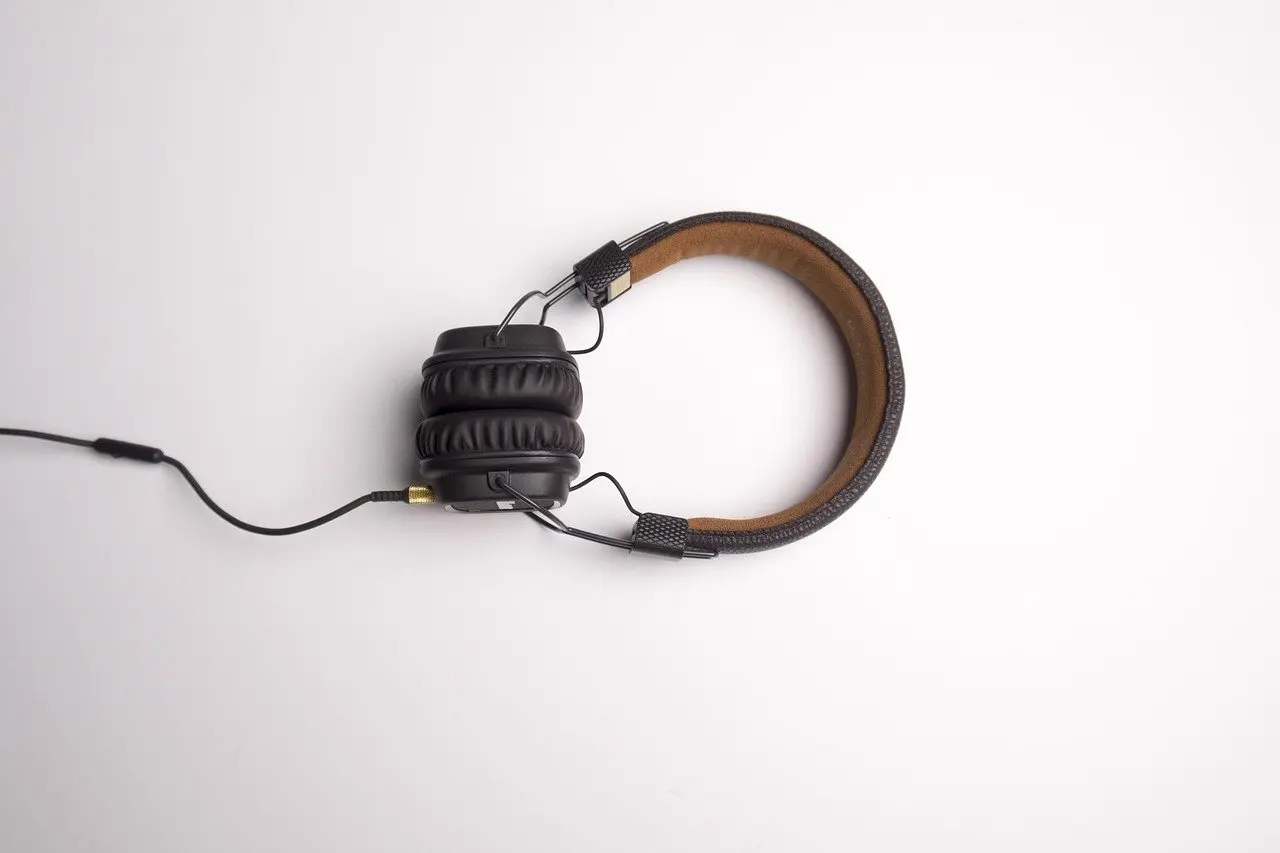
True wireless earbuds sit in or at the ear and come with a charging case. Over-ear headphones rest around the ear instead and avoid the sealed canal that produces the footstep effect and the 20-30 minute discomfort some listeners report. If those problems apply to you, over-ear headphones are worth trying before settling on a bud.
Noise is the other factor. Because ambient noise can push the volume towards the level where the phone warns about hearing damage, any design that blocks outside sound helps, whether it is a sealed bud with active noise cancellation or a headphone cup. The deciding question is which one you can wear comfortably for the length of your listening.
- Earbuds fit listeners who tolerate the canal and want the noise cancelling and transparency pairing in a small form.
- Over-ear headphones fit listeners who dislike anything in the canal.
- Open-fit buds sit between the two for those who want a bud with less canal contact.
Which earbuds work with an Android phone
Most true wireless earbuds connect to Android over Bluetooth, and reported experience shows brand is not a barrier. One forum contributor says Apple AirPods work with Android phones just fine, so owning a pair from another ecosystem does not rule them out.
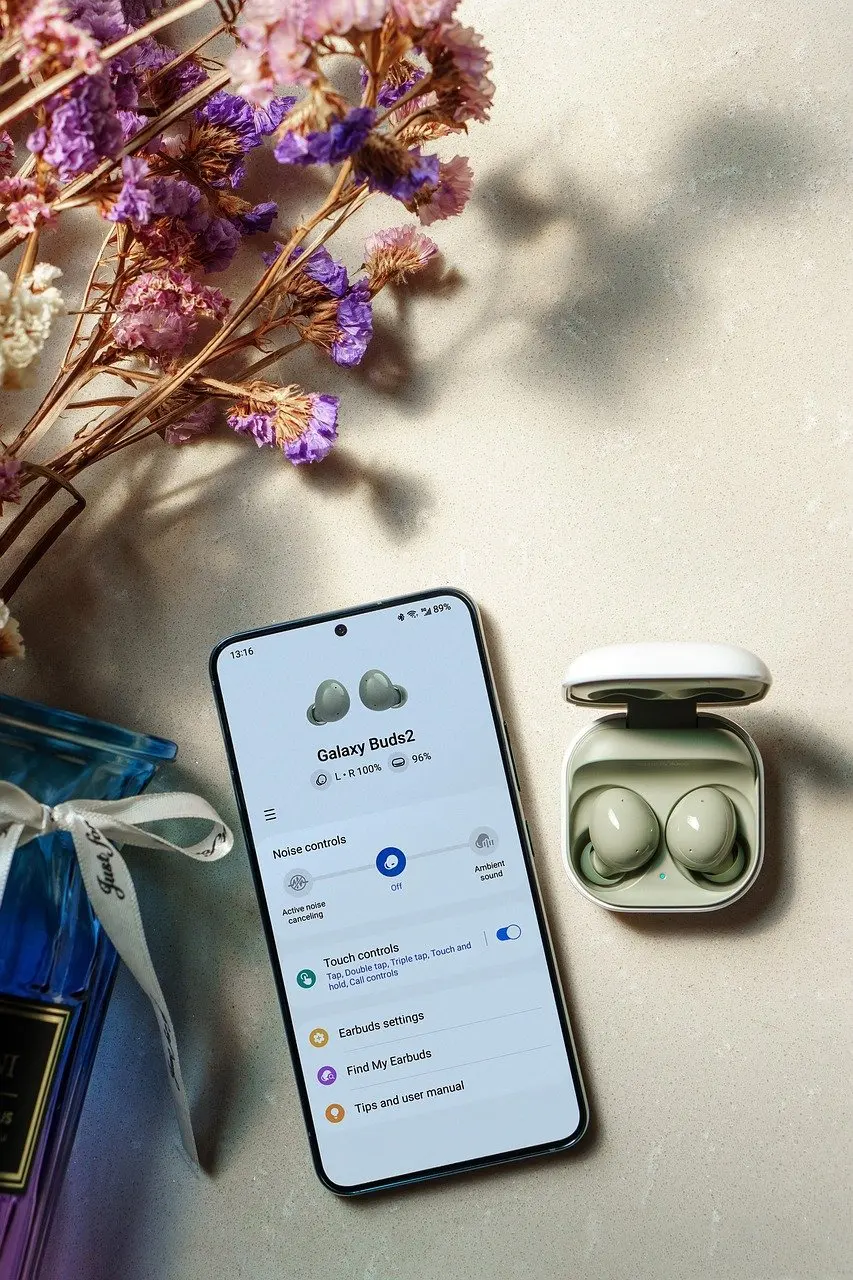
The more useful question is which features the phone lets you control. A companion app on the handset exposes settings such as noise controls and touch controls, as the Galaxy Buds2 screen above shows. Features like noise cancelling and transparency mode are worth confirming on the product page, because they decide how the earbuds behave day to day.
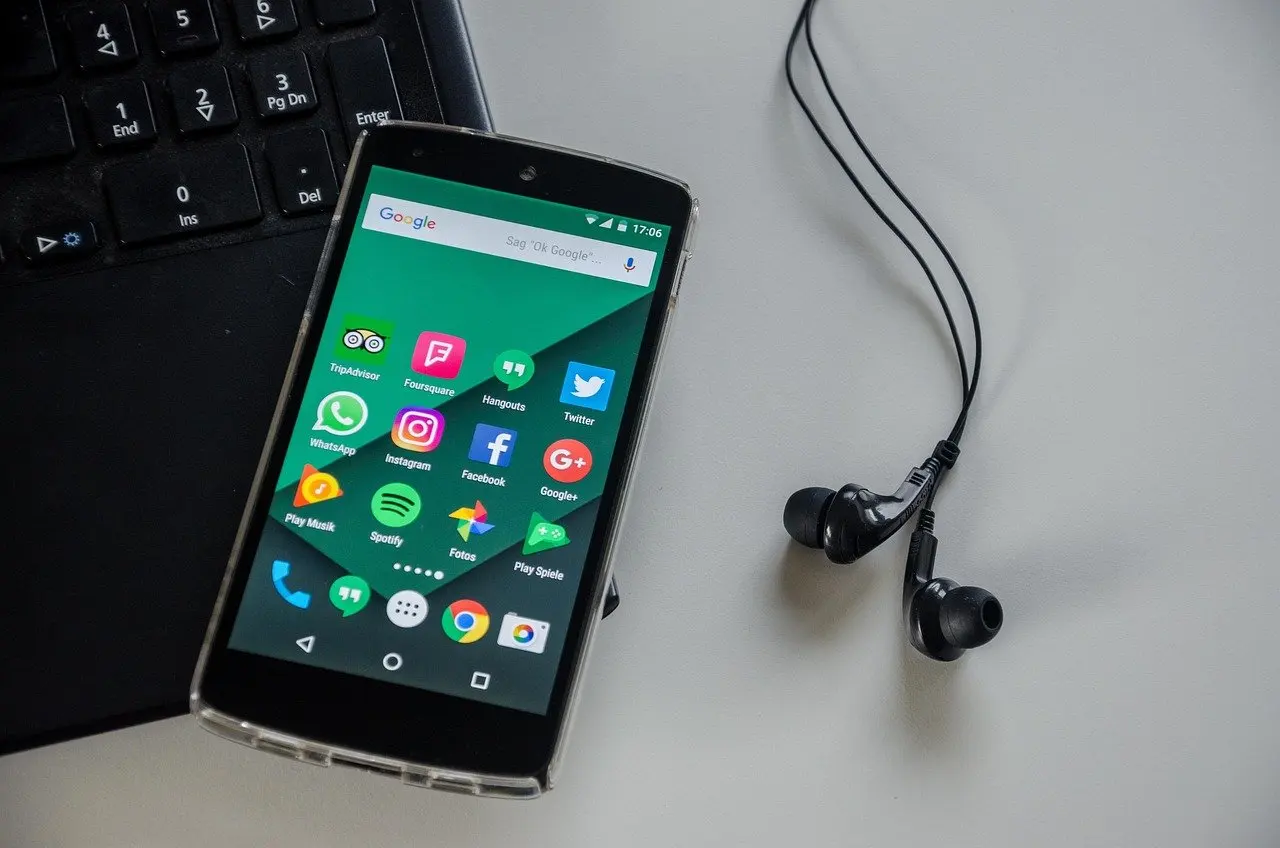
Codec support is another spec to read against the phone’s own listing. A feature only helps if both the earbuds and the handset support it, so match the two spec sheets rather than trusting a headline claim.
For a pair that suits most Android owners, aim for the combination of noise cancelling plus transparency mode, a fit you can wear for the length of your listening, and a battery rating that covers your longest session. Sticking to those three narrows the shortlist faster than comparing model names.
Battery life and the charging case
A rated battery of about 9 hours per charge is the figure to start from, based on a listener’s report of the Anker Soundcore rating. That is the maker’s stated rating relayed by a user, so treat it as a benchmark for comparison rather than a promise for every volume level and noise setting.
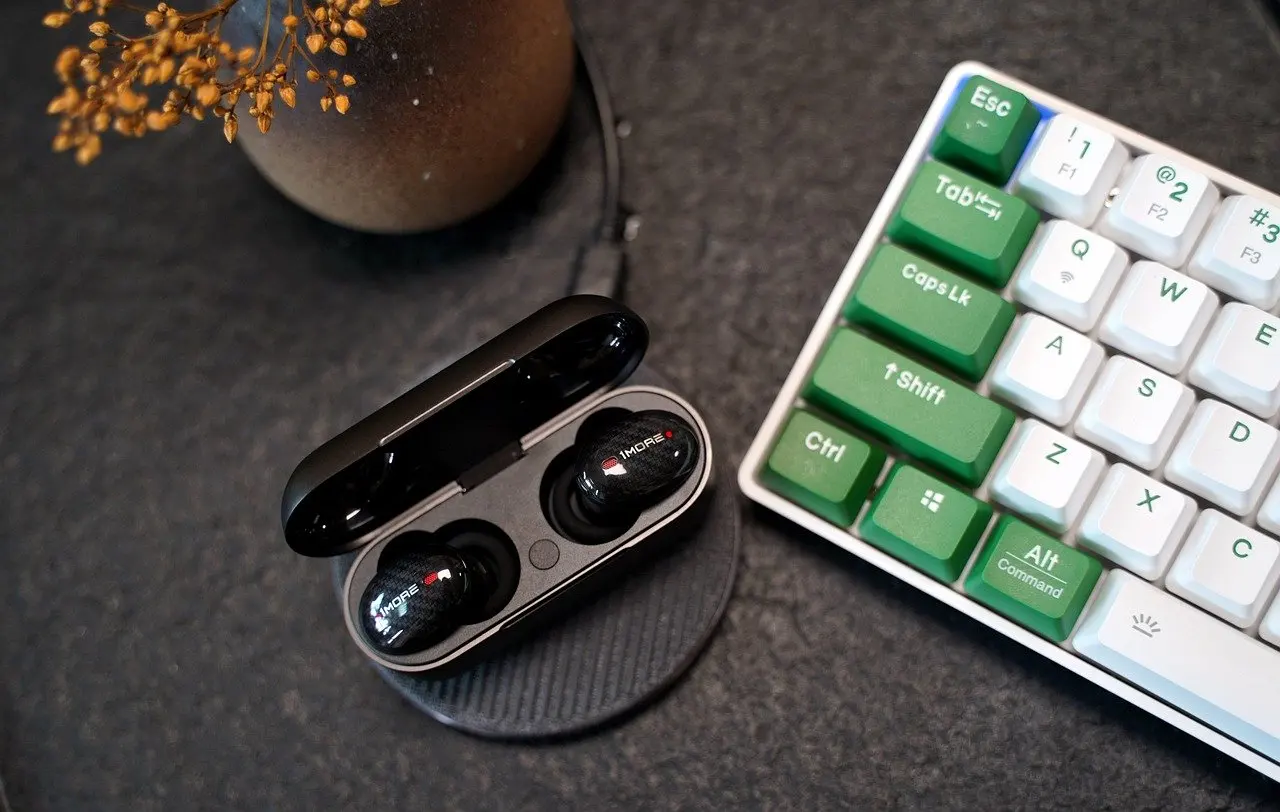
Battery needs depend on your day. A listener who commutes and works with earbuds in will use more per charge than someone who listens for a short walk. The charging case changes the maths: it can recharge the buds themselves many times over, which means the per-charge figure matters for a single long session while the case covers the rest.
Some listeners prioritise endurance above everything else. One user reports that the Sony WI-C310 has the longest battery life among their earbuds, going a few days between charges. That suits someone who forgets to top up, though it is a single user’s report rather than a tested figure.
- Check the per-charge rating if your listening comes in long unbroken blocks.
- Check the case capacity if you are away from a charger for long stretches.
- Keep your phone charged too, since earbuds that outlast the phone are no help; our guide to the best wireless charger for phone covers that side.
Frequently asked questions
Which wireless earbuds work best with Android?
Look for noise cancelling together with transparency mode, then check that the fit stays comfortable. Reported experience shows pairs from other brands, including Apple AirPods, work with Android phones.
Are earbuds or over-ear headphones better for a phone?
It depends on comfort. Listeners who dislike buds in the ear canal can choose over-ear headphones, open-fit buds or bone conduction instead.
How long should earbud battery last?
A rating of about 9 hours per charge is one reported benchmark. The charging case then recharges the buds many times over, so check both figures.
Do snug earbuds cause problems?
They can. One listener reports hearing every footstep when buds sit too snug, and another found a pair uncomfortable after 20-30 minutes, so try the other ear-tip sizes.