The best phone charger is a compact GaN USB-C charger that meets your phone’s documented maximum wattage, with extra ports only if other devices will share it.
Picture a bedside table with a phone, a tablet and a watch all waiting for power, and a single old adapter in the wall. The shortlist below sorts the realistic replacements by who they suit. It sits alongside the wider best phone accessories picks. Cable-free charging is a separate decision, covered in the best wireless charger for phone guide.
Matching a charger to your phone
Start with the phone, not the charger. Kensington’s power table lists 15–30W for smartphones and 20–45W for tablets. A phone therefore rarely needs a large charger on its own. The exact ceiling for your model is on the phone maker’s specification page, and that figure is the number to match.
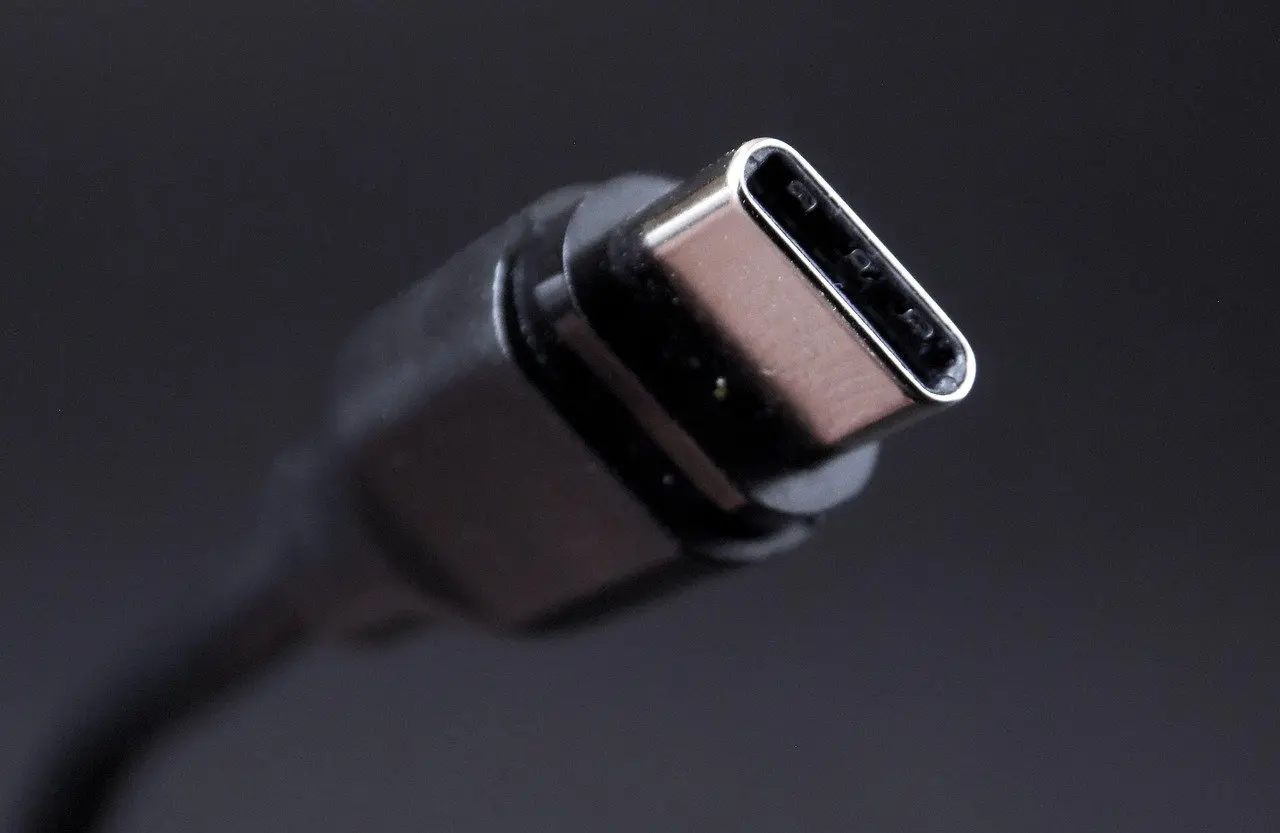
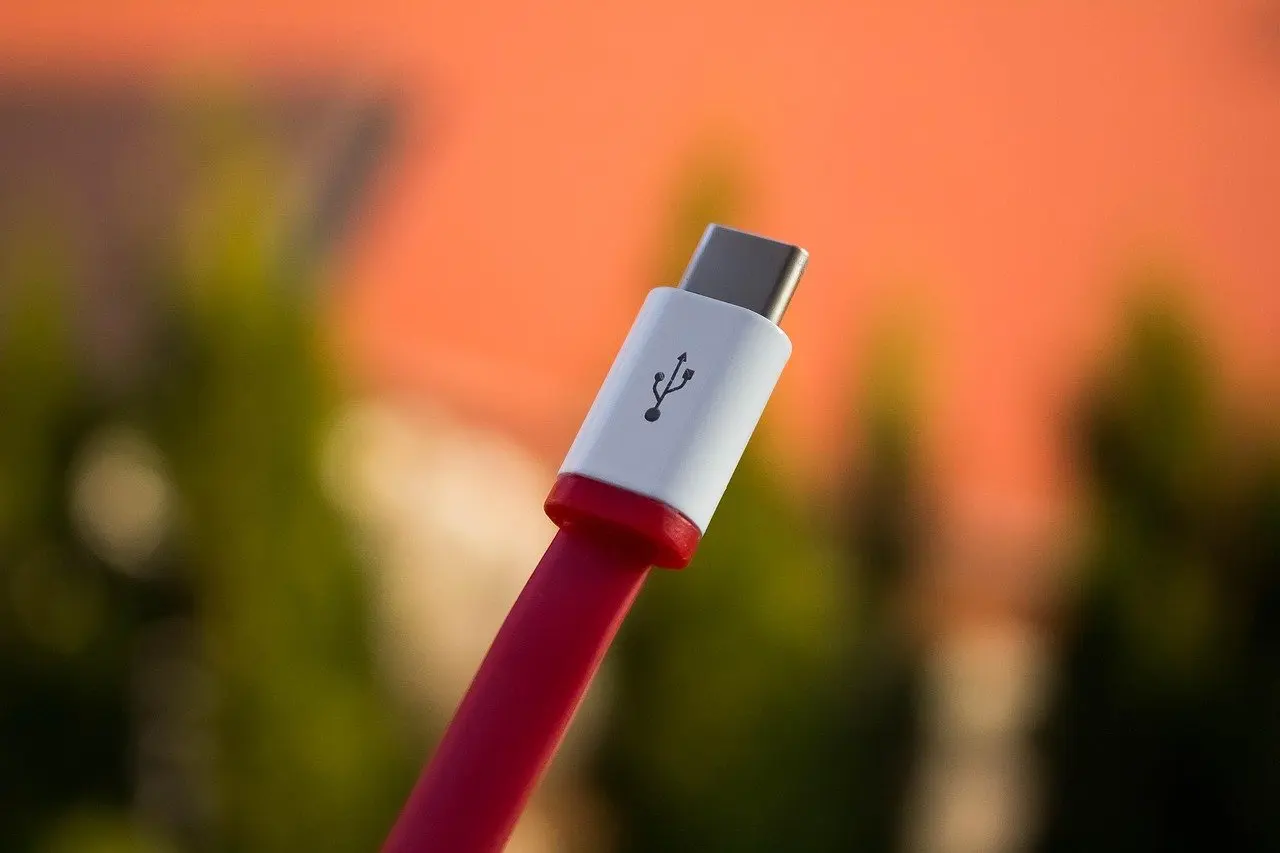
The connector matters as much as the wattage. According to Ugreen’s buying guide, USB-C ports are required for laptops, smartphones and tablets that use Power Delivery. A charger without a USB-C port cannot offer PD to a modern phone, however high its headline rating.
Safety is the last filter. Ugreen advises choosing a charger certified by bodies such as CE or UL, which rules out the unbranded adapters that look identical in a listing.
Compact single-port GaN charger
A single-port GaN charger suits anyone who charges one phone at a time, at a desk, by the bed or in a kitchen drawer. Buy one rated at or above the phone’s listed maximum, and treat the 15–30W smartphone range from Kensington as the working band, not a target to exceed.
The GaN part is about materials. Kensington notes that GaN has a 3.4 eV bandgap against silicon’s 1.12 eV, so it can handle higher voltages. In practice, GaN chargers deliver more power with greater efficiency, stay cooler and fit into more compact designs. The limit is simple: a single port cannot help once a tablet or watch needs power at the same time.
Multi-port USB-C charger for a phone, tablet and watch
A multi-port charger is worth buying when more than one device competes for the same socket. Kensington describes its 70W GaN charger (K38101NA) as supporting PD SPR (Standard Power Range) and powering up to three devices at once, such as a smartphone, tablet and smartwatch. For a household sharing one bedside outlet, that is the sensible step up from a single-port unit.
Power splitting is the thing to check. Ugreen explains that a good multi-port unit determines what is plugged into each port and supplies the appropriate amount of power to it. In practice, a phone with a modest ceiling will not be fed more than it can use, while a tablet with a higher ceiling can draw more from another port. A fixed rating split across several ports still means each device gets less than the headline figure when all are connected.
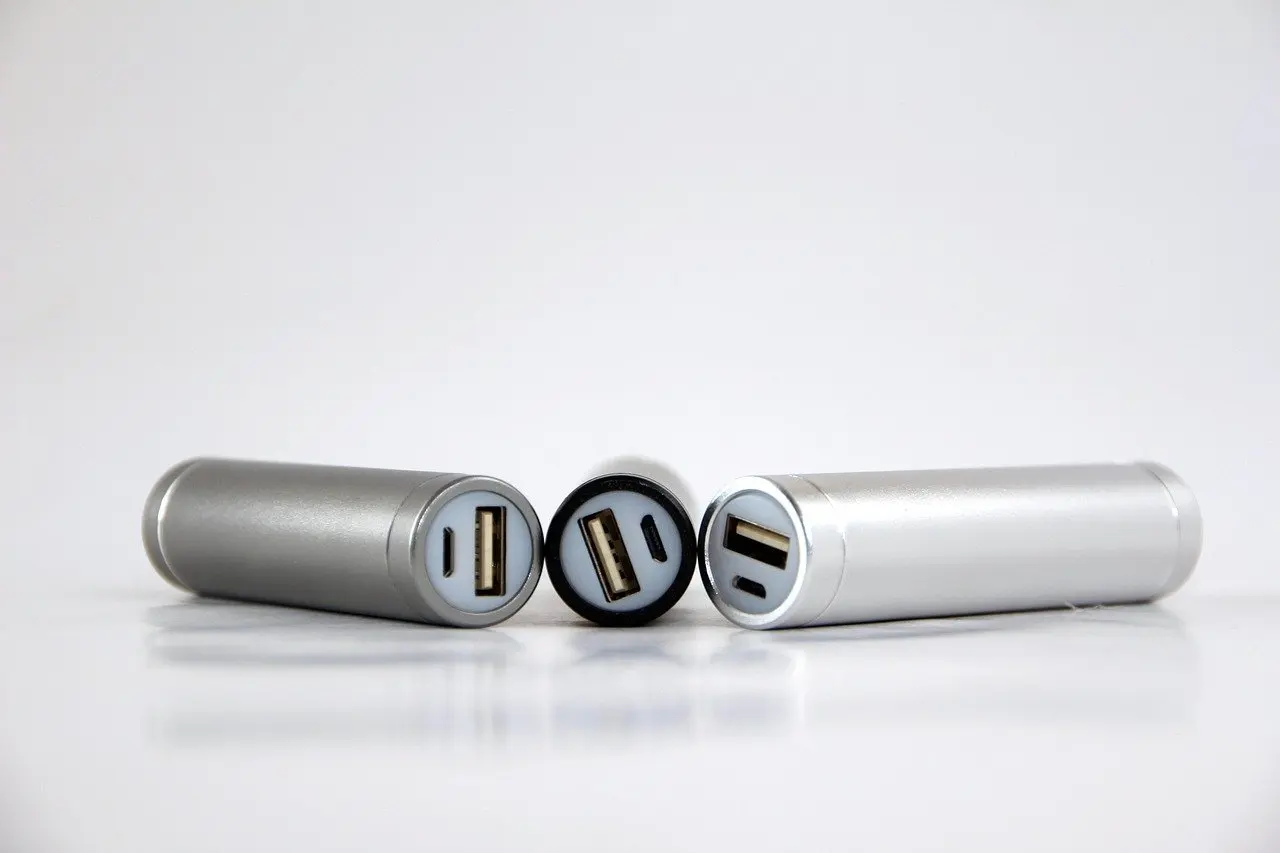
Ugreen’s advice is to buy a charger containing both USB-C and USB-A ports so it works with older and newer accessories alike. Anyone who only owns phones should stay with fewer ports, since the extra ports add bulk without adding speed.
High-wattage 140W charger for phone plus laptop
A 140W charger is for people who want one brick for a phone and a demanding laptop. Kensington says its 140W model uses EPR PD 3.1 to deliver up to 140W and is built for high-performance laptops.
The cable is the catch. Kensington states that an EPR PD 3.1 cable is required for 140W, as standard cables cannot deliver enough power. It offers a USB-IF-certified 2 m (6.6 ft) cable, K32304WW, rated for that level. A phone that tops out far lower will not charge faster on this charger. Choose it for the laptop, and treat the phone as a bonus.
Travel charger
A good travel charger is small, certified and able to cover every device in the bag from one outlet. Ugreen’s CE or UL certification advice matters most here, because a charger is plugged into unfamiliar sockets and left unattended in hotel rooms.
Compact GaN designs are the natural fit, since Kensington credits GaN with a more compact build and cooler operation than silicon. A multi-port 70W-class unit can replace several adapters by powering up to three devices simultaneously, according to Kensington. Pairing it with both USB-C and USB-A ports keeps older cables usable on the road.
Quick comparison
| Option | Documented figure | Suits | Planning use |
|---|---|---|---|
| Single-port GaN | Smartphones use 15–30W | One phone | Match the phone maker’s listed maximum |
| Multi-port GaN | 70W, PD SPR, up to three devices at once | Phone, tablet and watch | Best for shared outlets and travel |
| High-wattage EPR | Up to 140W via EPR PD 3.1; EPR PD 3.1 cable required | Phone plus demanding laptop | Budget for the certified cable too |
| Many-port USB charger | 6 to 8 ports or more | Households and shared desks | Pick one with both USB-C and USB-A |
Figures come from Kensington’s GaN charging guide and Ugreen’s multi-USB charger guide.
Decision checklist
- Find the phone’s maximum. Read the wattage on the phone maker’s specification page.
- Insist on USB-C. It is the port that carries Power Delivery to modern phones.
- Count the devices. One phone points to a single-port GaN unit. A phone, tablet and watch point to a multi-port model.
- Check the cable. Only a laptop-class charger needs the EPR PD 3.1 cable.
- Confirm certification. Look for CE or UL marks before buying.
While setting up a new handset, it is also worth reading how to apply a screen protector without bubbles before the first charge.
Frequently asked questions
Does a GaN charger charge faster?
Not by itself. Kensington credits GaN with higher efficiency, cooler operation and a more compact build. How quickly a phone charges still depends on the phone’s own documented maximum wattage.
Is a multi-port USB-C charger worth it?
Yes, when several devices share one outlet. It also helps that Ugreen describes smart per-port distribution that supplies each device the power it needs. For a single phone, a single-port charger is enough.
How many watts does my phone actually need?
Kensington lists 15–30W for smartphones. The precise figure for a given model is on the manufacturer’s specification page.
What should I look for in a travel charger?
Look for CE or UL certification, a compact GaN build and a mix of USB-C and USB-A ports, so one unit can serve the phone and its companion devices.